
10 Nourishing Lunch Staples That Support Steady Afternoon Energy, According to an RD
Why lunch matters for the rest of your day
Lunch is easy to treat like a quick break between meetings, errands, or school pickup. But it plays a bigger role than simply “holding you over” until dinner. As registered dietitian Sapna Peruvemba, MS, RDN, explains, lunch can function as a key fuel stop for the second half of the day. When your midday meal is built with the right mix of nutrients, it can help you feel more satisfied, maintain steadier energy, and support focus and mood as the afternoon goes on.
The “afternoon slump” is often linked to our natural circadian rhythm, but what you eat (or skip) can cushion or intensify that dip in energy. A lunch that leans heavily on added sugars or refined carbohydrates may lead to a rapid blood sugar spike followed by a crash—often paired with renewed hunger and cravings. On the other hand, a lunch that includes lean protein, healthy fat, complex carbohydrates, and micronutrients can slow digestion and help regulate blood sugar, supporting more stable energy after eating.
The nutrition building blocks of a satisfying lunch
If your goal is to stay full and energized, it helps to think in terms of balance rather than a single “superfood.” Peruvemba highlights the value of including the three major macronutrients—lean protein, healthy fat, and complex carbohydrates—along with a range of micronutrients (vitamins, minerals, and plant compounds). Together, these nutrients can support sustained energy, mood balance, and mental focus. Skimping on any of them may leave you reaching for snacks later or struggling to concentrate.
In practical terms, protein commonly shows up in legumes, nuts, seeds, dairy, eggs, poultry, and lean meats. Complex carbohydrates are prevalent in whole grains, fruits, and vegetables. Healthy fats are often found in nuts, seeds, avocado, and olives. Micronutrients tend to be concentrated in plant foods such as fruits, vegetables, nuts, seeds, and legumes, while certain vitamins and minerals are also found in foods like seafood, lean meats, eggs, dairy, and poultry.
Hydration matters, too. Dehydration can contribute to fatigue and reduced concentration, so drinking water throughout the day alongside a nutritious lunch can help keep energy and attention steadier.
10 accessible lunch options to keep on repeat
The following foods are highlighted for their combination of protein, fiber, healthy fats, and overall nutrient density. They’re also flexible: you can mix and match them across salads, bowls, soups, sandwiches, and leftovers.
- Leafy greens: Options like spinach, kale, arugula, and hearty lettuces are packed with vitamins and antioxidants. Their water content and fiber can help with satisfaction. They work in hot or cold lunches, including pastas, salads, soups, and roasted vegetable medleys.
- Whole grains (including quinoa): Whole wheat bread, brown rice, and whole wheat pasta are valued for complex carbohydrates. Quinoa stands out because it also provides protein—about eight grams of complete protein per one cup cooked—along with fiber and micronutrients. It fits easily into stir-fries, soups, stews, salads, or grain bowls.
- Cucumbers: Known for crunch and a mild flavor, cucumbers contribute water and fiber that can promote fullness. They work well on a crudités platter, in grain bowls, or tossed into salads and pasta salads.
- Chickpeas (and other legumes): Chickpeas can be used in stews, soups, hummus, or salads. Other legumes—lentils, pinto beans, black beans, kidney beans, and edamame—offer similar benefits. They provide fiber, complex carbohydrates, minerals, and plant-based protein, which can increase staying power.
- Apples: A classic lunchbox staple that also fits adult lunches. Apples provide fiber, plant compounds, vitamins, and minerals. They can be eaten as-is or used in sweet or savory meals, including salads, sandwiches, smoothies, or paired with peanut butter as a dip.
- Nuts (including walnuts): Almonds, walnuts, peanuts, and cashews supply healthy fats and plant protein. Walnuts are noted as one of the few plant-based sources of anti-inflammatory omega-3 fatty acids, supporting heart and immune health. They can be used in trail mix, salads, nut-butter sandwiches, or as part of leftovers.
- Turkey (with smart sandwich choices): A hearty sandwich can still fit a balanced lunch. Peruvemba calls protein a “satiety hero.” If you enjoy turkey sandwiches, options include roasting turkey at home and slicing it, or choosing nitrate-free deli options. Adding more vegetables to a sandwich can also increase satisfaction. Processed meats, including deli meat, are classified as Group 1 carcinogenic foods by the World Health Organization (WHO), so it may help to be mindful about the type of meat you choose.
- Avocado: A source of satiating healthy fat, fiber, and micronutrients. Avocado works beyond toast or sandwiches—you can add it to salads, taco bowls, and stews, or blend it into dips like guacamole for pairing with whole-grain crackers or vegetables.
- Eggs: Often labeled a breakfast food, eggs also work well at lunch. Their protein and fat can support energy through midday. They can be eaten hard-boiled, added to salads, or turned into egg salad for sandwiches.
- Greek yogurt: A protein-rich option that also provides probiotics to support gut health. Greek yogurt can be paired with fruit and granola, blended into smoothies, or used in dressings and even soups.
What to limit if you want to avoid the post-lunch crash
Some foods are more likely to leave you feeling sluggish or hungry soon after eating. Added sugars and refined carbohydrates—often found in sweets, desserts, sugar-sweetened beverages, and white bread products—can act like “quick-burning carbs,” causing a spike and then a dip in blood sugar. Very fatty meals can also contribute to feeling low-energy after lunch. Examples mentioned include burgers, fries, burritos, fried foods, processed meats, and fatty cuts of meat.
Putting it together: a simple way to build your plate
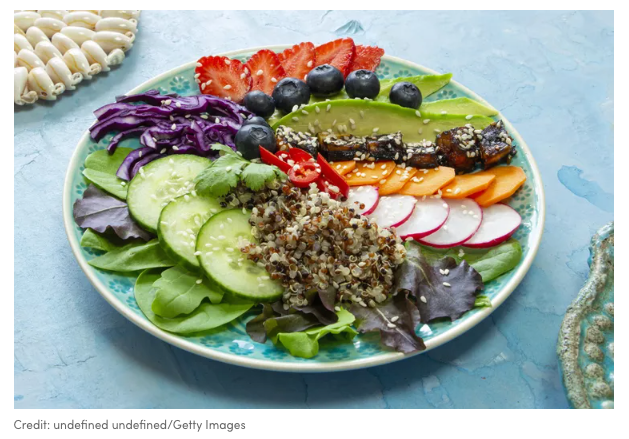
Rather than aiming for perfection, consider using the staples above to cover the basics: include a protein source (such as legumes, eggs, poultry, nuts, or Greek yogurt), add complex carbohydrates (whole grains, fruits, and vegetables), and incorporate healthy fats (avocado or nuts). Round it out with colorful produce—especially leafy greens—for micronutrients, and remember to drink water through the afternoon. This approach supports fullness and steadier energy, helping lunch do what it’s meant to do: power you through the rest of your day.