
5 Easy Ways to Soften Butter Quickly
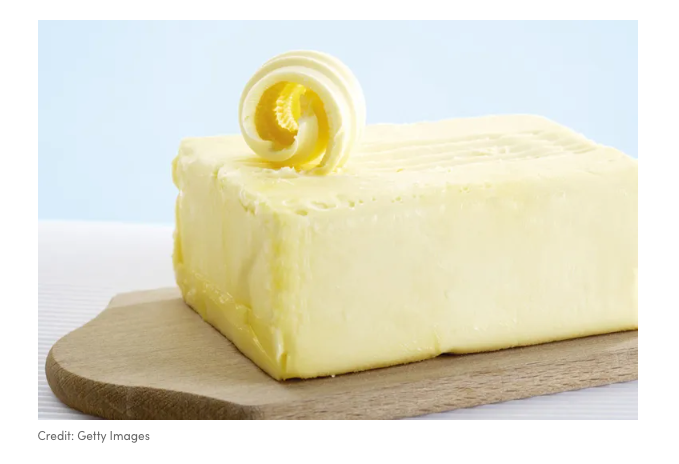
The temperature of butter can make or break a recipe. Whether you’re baking a cake or simply looking for a generous shmear for morning toast, soft butter is often the difference between a smooth, creamy result and a frustrating, uneven one. The challenge is timing: a refrigerated stick of butter typically needs 30 minutes to an hour to soften, while frozen butter can take upwards of four hours to become usable.
Softened butter isn’t just about convenience. In baking, it plays a functional role in texture and structure. Many pastries—such as chocolate chip cookies, pie doughs, and croissants—depend on softened butter to help create their iconic textures and flavors. Because butter is a solid fat, it can trap air pockets when it’s creamed or whipped. Those air pockets contribute to a fluffy cake and a flaky croissant. During baking, hot steam within the buttery solids expands, adding airiness and the melt-in-your-mouth sensation many people crave.
Butter also supports consistency. When used at the right temperature, it helps stabilize mixtures and promotes a homogenous texture. Butter that’s too cold or too melted can lead to common problems like an oily pie crust, lumpy frosting, or a flat cake.
For most recipes, the ideal range for “room temperature” butter is between 65 and 72 degrees Fahrenheit—even if your home is warmer than that. Properly softened butter should indent slightly when poked, but a finger shouldn’t easily pierce through the entire stick. It also shouldn’t look melted, oily, or like it has lost moisture. If you didn’t plan ahead, the methods below can help you get to that sweet spot faster.
1) Use the microwave as a steam room (indirect heat)
Microwaving butter directly can go wrong quickly: it’s easy to over-soften it or melt it completely. A more controlled approach is to use the microwave as a warm, steamy environment that softens butter indirectly.
- Fill a microwave-safe container with 1 to 2 cups of water.
- Microwave the water for 2 minutes to create steam inside the microwave.
- While the water heats, cut the butter into smaller pieces to maximize surface area.
- Arrange the butter pieces in a large bowl or on a rimmed plate, spreading them out rather than piling them.
- Carefully remove the hot water from the microwave.
- Place the bowl or plate of butter into the microwave quickly, letting as little steam escape as possible.
This method can soften butter in just a few minutes, helping it become spreadable without turning it into a puddle.
2) Cut the butter into smaller pieces to speed softening
One of the simplest ways to soften butter faster is also one of the most effective: increase its surface area. Cutting a larger stick into smaller pieces exposes more of the cold butter to warmer air, helping it come up to temperature more quickly.
- Slice the stick into smaller chunks or pieces.
- If your recipe allows, cut the butter into 1-by-1-inch cubes for maximum results.
This approach also makes butter easier to manage when creaming it in a stand mixer or rolling it into dough.
3) Trap gentle heat with a hot glass
If you want an even, low-risk method that doesn’t rely on direct heat, a hot glass can create a warm atmosphere around the butter. The idea is to warm the container, then use it like a dome to hold heat close to the butter.
- Choose a sturdy glass or glass bowl.
- Fill it with very hot water and let it sit for a few minutes to warm the glass.
- Pour out the water and dry the glass.
- Immediately place the warm glass upside down over the butter.
The residual heat trapped inside the glass creates a gentle environment that softens butter evenly in just a few minutes. It’s especially useful when you want soft butter for baking or spreading without risking melted edges.
4) Grate cold or frozen butter for fast softening
When butter is very cold—or even frozen—grating can be one of the quickest, most hands-on solutions. Using a large box grater, you shred the butter into small pieces, similar to grating cheese. Those thin shreds soften rapidly and blend more easily into mixtures.
- Use a large box grater.
- Carefully grate the butter into small shreds.
The grated butter softens quickly and can emulsify smoothly in batters, bread, or doughs. As you work, the warmth of your hands also helps speed up softening.
5) Pound and flatten butter with a rolling pin
Another fast method uses a plastic bag (or plastic wrap) and a sturdy rolling pin. By flattening the butter, you increase the surface area exposed to room-temperature air, which helps it soften faster than leaving a thick stick on the counter.
- Place the butter in a resealable plastic bag or between two sheets of plastic wrap.
- Use a rolling pin to pound the butter flat.
This technique requires a bit of effort, but it can deliver an ideal consistency in about 10 minutes—useful when you need softened butter for cooking or baking in a hurry.
Whichever method you choose, the goal is the same: butter that’s soft enough to blend smoothly, but not so warm that it becomes oily or melted. Keeping the target texture in mind—a slight indent when pressed, no visible melting—can help you stop at the right moment and set your recipe up for success.