
8 Soup Shortcuts for When You’re Short on Time but Craving Something Cozy
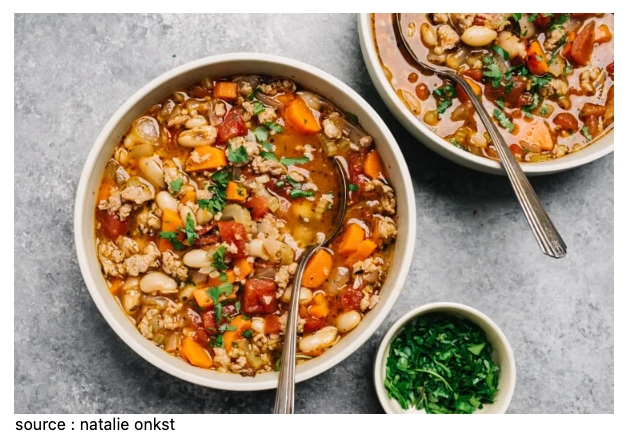
Cooking at home can be deeply satisfying, especially when you’re craving something warm and comforting. But not every day leaves room for lengthy prep, hours of simmering, and a sink full of dishes. Soup is a practical answer: it’s cozy, nourishing, and surprisingly flexible. With a few smart shortcuts, you can cut down on time without giving up the depth of flavor that makes soup feel like a real meal.
Below are eight chef-approved strategies that make weeknight soup faster and easier. They rely on thoughtful shortcuts—like using high-quality broth, leaning on frozen vegetables, and finishing with high-impact ingredients—so you can get a comforting bowl on the table with less effort.
1) Start with a high-quality store-bought broth
A good broth can make a world of difference, especially when you don’t have time for a long simmer. One straightforward shortcut is to begin with a high-quality store-bought broth to instantly boost flavor. Choosing a low-sodium option also gives you more control over seasoning as the soup cooks.
2) Keep homemade broth in the freezer (even a small stash helps)
If you can prep ahead occasionally, homemade broth is a reliable way to make quick soups taste more developed. Keeping a stash in the freezer means you can build flavor fast whenever the craving hits. For a practical approach, save chicken or turkey carcasses instead of tossing them, and freeze them until you’re ready to make broth.
You can also freeze odds and ends that would otherwise be discarded—like onion skins, celery ends, and carrot peels—then use them when it’s time to cook. This small habit turns future soup nights into something much easier.
3) Warm boxed broth with onions for a more “homemade” taste
Even if you don’t have homemade broth on hand, you can still add depth quickly. One simple technique is to warm boxed broth with a handful of sliced onions for about 10 minutes. It’s a minimal step, but it can make the base taste more rounded and closer to something simmered longer.
4) Use frozen or pre-chopped vegetables to cut prep time
Chopping vegetables is often the biggest barrier to making soup on a busy night. Frozen or pre-chopped vegetables remove that friction while still delivering plenty of flavor. They also cook quickly, which helps shorten the overall timeline from stovetop to table.
Frozen mirepoix or chopped onions are especially useful because they soften quickly and blend seamlessly into many soups. When you’re trying to get dinner done without extra steps, having these ready to go can be the difference between ordering in and cooking at home.
5) Start with a canned soup you already like, then build on it
Using a canned soup as a base can be a smart way to speed things up without giving up the comfort factor. The key is to treat it as a foundation rather than the finished product. Tomato and lentil soups, for example, are particularly easy to customize.
To make a canned soup feel more hearty and personal, add extra protein, vegetables, or seasonings. This approach keeps the convenience of opening a can while still letting you shape the final flavor and texture.
6) Lean on shelf-stable pantry soups with minimal cleanup
On nights when chopping feels like too much, pantry-based soups can be a practical shortcut. Consider brothy options that work well with canned foods and pantry spices—such as minestrone, tortilla, or bean-based soups. The method is simple: add everything to a pot, let it simmer, and you’re done.
This style of soup is also appealing when you want barely any cleanup. With fewer cutting boards and prep bowls involved, it’s easier to cook even when time and energy are limited.
7) Add rotisserie chicken for instant heartiness
Rotisserie chicken is one of the quickest ways to make soup feel like a full meal. If you have one in the fridge, you can add it to a concentrated soup stock, toss in some vegetables, and end up with a hearty, homemade-tasting soup with minimal effort. It’s a convenient way to bring protein and richness to the pot without additional cooking steps.
8) Cook beans and grains in bulk, then freeze in portions
Batch-cooking can pay off significantly when soup is in regular rotation. Cooking dried beans (and grains) in bulk—such as in a slow cooker—lets you stock your freezer with ready-to-use additions. Freezing them in two-cup portions makes it easy to grab what you need without thawing a large container.
Cooked beans can offer a flavor and texture that’s distinct from canned versions, and they can make a quick soup feel more substantial. On busy nights, stirring in cooked rice, farro, or a cup of beans you’ve already prepared can boost heartiness without adding time.
Finish with high-impact ingredients for fast flavor
Even the quickest soup can taste more complete with a strong finishing touch. Consider adding one high-impact ingredient near the end to create depth without extra work. Options include a Parmesan rind, a spoonful of miso paste, a splash of acid, or fresh herbs.
A squeeze of lemon juice, a dash of vinegar, a few sprigs of cilantro, or a swirl of pesto can brighten the entire pot. These small additions can help a fast soup taste more balanced and intentional—exactly what you want when you’re short on time but still craving something cozy.
- Choose a flavorful base: high-quality broth or a smart canned-soup starting point.
- Reduce prep with frozen or pre-chopped vegetables.
- Keep freezer staples (broth, beans, grains) ready for quick assembly.
- Finish with a bold final touch like herbs, acid, miso, pesto, or a Parmesan rind.
With these shortcuts in your back pocket, soup can stay in your weeknight rotation even when your schedule is packed. The goal isn’t to make cooking complicated—it’s to make it doable, comforting, and fast.