
Are Wholegrains and Omega-3 the Key to Happiness? What Experts Say
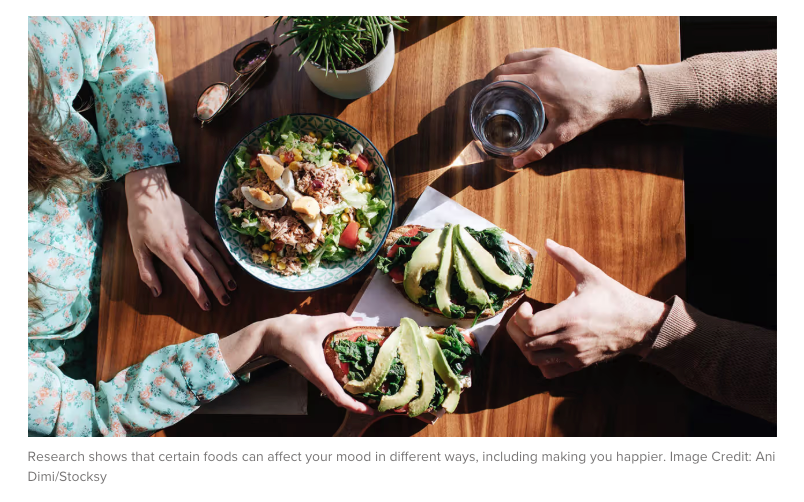
For years, nutrition research has focused heavily on physical health—how different foods affect the heart, metabolism, inflammation, and other systems in the body. More recently, some researchers have been turning their attention to a related question: how might food affect mood and mental health?
This interest has helped shape a newer area of psychiatry sometimes referred to as “nutritional psychiatry,” a specialized branch that examines the relationship between eating habits, dietary factors, and mental health disorders. The goal is to better understand how diet might contribute to prevention strategies and treatment approaches for mental health conditions.
Kristin Kirkpatrick, a registered dietitian, has described nutritional psychology as a field that has gained traction over roughly the past decade, supported by a growing body of data connecting food choices with beneficial—or worsening—mental health outcomes.
What the research suggests about ultra-processed foods and mood
Across multiple studies, a consistent theme appears: certain foods are associated with improved mood and a lower risk of depression, while other foods are linked with negative mood outcomes and a higher risk of depression.
One area with substantial evidence involves sweets and ultra-processed foods. According to Kirkpatrick, studies have found associations for multiple reasons, including increased risk of inflammation, high sugar and low fiber (which can negatively impact the microbiome), the exclusion of antioxidant-rich foods, and the inclusion of additives.
Importantly, these effects may not be immediate. Kirkpatrick notes that in the long term—over months or years—frequent intake of these types of foods may begin to affect mental health.
Several studies cited in this discussion align with that broader pattern:
- A study published in the
Journal of the Academy of Nutrition and Dietetics
found that a diet high in ultra-processed foods and refined carbohydrates can raise a person’s risk of developing depression. - A 2023 study published in
JAMA Network
found that higher intake of ultra-processed foods—particularly artificial sweeteners and artificially sweetened beverages—may lead to an increased risk of depression in some people. - A 2019 study noted that people who replaced ultra-processed foods with more whole and minimally processed foods, such as in a Mediterranean-style diet, saw a decrease in depression.
At the same time, research also points to the complexity of how people experience food. A 2021 study found that people who believe ultra-processed foods make them feel happier tend to eat more—highlighting that perceived short-term mood effects may not align with longer-term mental health outcomes.
Whole grains, fiber, and the gut–brain connection
Scientists are still working to identify which foods might be most supportive of mood. While there is no single “happiness food,” some experts list whole grains as a strong candidate, noting there is minor evidence that they may help boost mood.
One reason whole grains are frequently discussed is their fiber content—especially fermentable fiber. Fermentable fiber can be digested by bacteria in the gut and may help improve the health of the microbiome, the collection of microbes (including bacteria, viruses, and fungi) that naturally live on and within the body.
The idea that the gut and brain operate in continuous, bidirectional communication has been around for a long time, dating back to ancient Greece. Modern brain imaging has helped show that gut stimuli can activate areas of the brain involved in emotional regulation. Kirkpatrick emphasizes that recognizing the microbiome’s role in mental health outcomes is important, and that diets higher in fiber, probiotics, and prebiotics should also be a focus.
Mediterranean-style patterns and omega-3s
Rather than focusing only on individual ingredients, experts also point to broader dietary patterns. Kirkpatrick notes that a plant-based Mediterranean diet has been associated with lower depression scores. She highlights several elements that stand out in that approach, including omega-3 fatty acids, colorful plants such as berries, extra virgin olive oil, leafy greens, and lean sources of protein.
Kirkpatrick also notes that supplementation with vitamin D and fish oil—especially when marine-based foods are low in the diet—has been shown to assist with both depression and anxiety.
Michelle Routhenstein, a registered dietitian nutritionist and founder of Entirely Nourished, points to fatty fish as another food category that may support mood. She cites salmon, sardines, and mackerel as sources of long-chain omega-3 fatty acids EPA and DHA. According to Routhenstein, EPA and DHA are incorporated into brain cell membranes, which can support fluidity and communication between neurons. She also notes that EPA and DHA have anti-inflammatory effects that may protect against neuroinflammation, which is linked to depressive symptoms.
What to emphasize—and what to limit
Experts describe mood-supportive eating as involving both additions and limits. Kirkpatrick frames it as not only focusing on what to include, but also what to reduce. She recommends setting limits on sugar, refined grains, ultra-processed foods, and alcohol, while paying attention to getting “plenty of color” and higher nutrient density.
Food is only one part of the picture. Kirkpatrick also emphasizes the importance of managing stress, exercising, and getting adequate, high-quality sleep—factors that can interact with diet and overall well-being.
Supporting mood during the holidays
Routhenstein notes that the holidays can be a time when routines shift and stress increases, making it helpful to think intentionally about food choices and coping strategies. She suggests that combining mindful nutrition with stress management may help people feel more balanced, energized, and emotionally resilient during the holidays.
Overall, the emerging research and expert perspectives point to a practical takeaway: dietary patterns that emphasize whole and minimally processed foods—along with fiber-rich choices and omega-3 sources—are being studied for their potential role in mood and mental health, while diets high in ultra-processed foods and refined carbohydrates are repeatedly linked with less favorable outcomes.