
Chef-Approved Store-Bought Pie Crusts: What to Look For and Which Brand Comes Out on Top
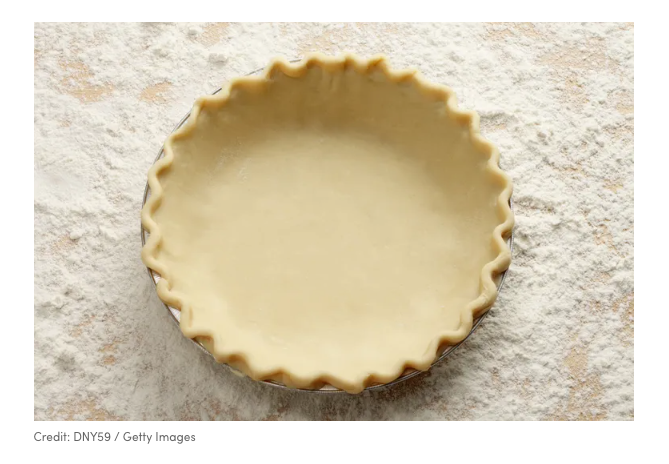
Why store-bought pie crusts earn a spot in real kitchens
Pie—whether sweet or savory—can feel like the perfect treat any time of year, and it often becomes a centerpiece during winter gatherings and holiday meals. But when schedules are full and there’s already plenty of cooking and baking happening, making pie dough from scratch can be one task too many. That’s where store-bought pie crusts can be genuinely helpful.
Pre-made crusts aren’t only a shortcut for home cooks. Even chefs keep them in rotation, especially when they want a dependable base without investing extra time in mixing, chilling, rolling, and fitting dough. The key is knowing what to buy and what to avoid—because not all supermarket crusts deliver the same flavor, texture, or ease of use.
What chefs look for when choosing a pre-made crust
Three chefs shared practical criteria they use when shopping for pie crust at the store. Their advice focuses on matching the product to the baker’s comfort level, scanning the ingredient list, and checking the crust’s condition before buying.
- Choose the format that fits your time and skill. Jill Houk, a research and development chef at Culinary Culture, suggests starting with an honest assessment of who’s buying the crust. If you’re short on time or feeling underconfident, a crust that already comes in a pan can be the easiest option. If you have more time and skill, sheeted pie dough or a pie crust kit can offer more flexibility, including the ability to roll it to the size you need and add personal touches like herbs, flavored sugars, or citrus zest.
- Read the ingredient list with flavor in mind. Houk looks for dough that includes a bit of butter or coconut oil for flavor, along with shortening from soybean oil or palm oil. She also notes that the rest of the ingredients should be recognizable, including enriched flour (with iron and B vitamins), sugar as the sweetener (and not too much of it), and relatively few preservatives—especially when buying frozen crust.
- Keep the label simple when possible. Tim Brown, senior instructor at the College of Food Innovation and Technology at Johnson and Wales University, also emphasizes checking ingredients. His general rule is to look for a simple label with few ingredients you can’t pronounce.
- Inspect the crust for cracks or breakage. Brown pays close attention to the condition of the crust, noting that broken or cracked crusts can be common—particularly in two-packs, where the bottom crust is often the one that cracks. If it’s hard to see through the packaging, he suggests gently feeling around the package to detect damage.
- Consider taste and texture differences between brands and formats. Alisa Woods, owner of Sift n Sprinkle Bakery in Des Moines, Iowa, has a clear preference: she finds generic crusts can taste plastic-like and turn gummy. When she buys pre-made crust, she typically chooses a name brand. She also prefers crusts that are pressed into a pan and frozen, though she considers rolled crusts acceptable.
The one brand all three chefs agree on
With their different priorities and preferences, the chefs still land on the same overall winner: Pillsbury. They describe it as a dependable option with strong flavor and a texture that works across a range of pies.
Houk reaches for Pillsbury’s unformed refrigerated pie dough. She describes it as “pretty darned good,” noting that it can run a little sweet but still performs well for savory pies. She also points out that it’s widely available in many retailers, which matters when you’re trying to shop efficiently during a busy season.
Brown and Woods prefer Pillsbury’s frozen pie crusts that come already in a pan. Brown highlights the flakiness, attributing it to the lard used, and says it thaws quickly for use. He also notes that the bottom is a bit thinner, which can help with cooking—especially when the pie isn’t baked directly on a hot stone surface. Woods agrees on the appeal, calling it a classic flavor and adding that it doesn’t shrink in the pan.
The chefs acknowledge that both the refrigerated and frozen options may include some hard-to-pronounce ingredients. Even so, they consider the overall combination of flavor, price point, and special-treat appeal worth it when you want a reliable pie experience without making dough from scratch.
Close runner-up: a crust praised for balance and butter
For shoppers looking for another strong option, Houk and Brown also recommend Trader Joe’s pie crust. Houk describes it as light and flaky, with a balance of sweet and salt that works well for both dessert pies and savory dishes like quiche—without the crust overpowering the filling.
Brown adds a specific reason he appreciates it: butter. He notes that while a strict shortening-focused pastry chef might not approve, he believes it’s hard to beat the taste of butter, and he values that this crust lists butter as an ingredient.
A gluten-free option the chefs recommend
For gluten-free pie lovers—or for anyone baking for guests with dietary restrictions—Houk and Brown recommend Wholly Wholesome. Houk notes that it doesn’t contain butter because it’s also vegan, yet it still turns flaky and offers a butter-like taste. Brown calls it his go-to when he’s hosting someone with a specific dietary restriction such as Kosher, vegan, or gluten-free.
What you can make with these crusts
Once you’ve chosen a crust that fits your needs—refrigerated dough for flexibility, a frozen crust in a pan for convenience, or a specialty option for dietary restrictions—the range of dishes is broad. On the sweet side, these crusts can support classics like blueberry, apple, pumpkin, chocolate, or pecan pie. For savory baking, they can work for chicken pot pie, quiche, galettes, or savory tarts.
Ultimately, the chefs’ advice points to a practical approach: pick a crust format that matches your confidence and schedule, check ingredients for flavor and simplicity, avoid cracked shells, and lean on brands that consistently deliver flakiness and taste. With that foundation, you can focus on the part that matters most—your filling and the moment you share it.