
Dutch Oven Tips to Improve Everyday Cooking and Protect Your Pot
Why a Dutch oven earns its spot in the kitchen
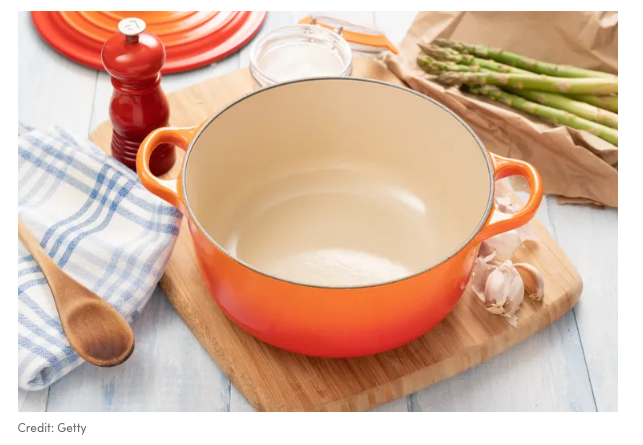
A Dutch oven is a large cast-iron pot with a fitted lid and either a seasoned surface or an enamel coating. It can be heavy and sometimes expensive, but it’s also one of the most versatile pieces of cookware you can own. The combination of cast iron and a tight-fitting lid helps it retain heat over long periods and trap steam, which supports moist, flavorful results. Because it can move between stovetop and oven, it’s well suited to techniques like sautéing, searing, braising, roasting, and baking.
Lean into low-and-slow cooking
Dutch ovens shine when you give them time. For braised dishes such as short ribs or pot roast, low-and-slow cooking can range from about two hours to an entire day depending on the recipe. The lid is designed to keep heat and moisture inside, so try not to lift it too often. Each peek releases steam and heat, which can extend cooking time and reduce the moist environment that helps braises turn out tender.
Build deeper flavor by layering techniques
Unlike a classic slow cooker, a Dutch oven makes it easy to combine multiple techniques in one vessel. You can sauté aromatics, sear proteins, and then braise—all without switching pans. This approach helps develop a more complex, well-balanced result.
- Sauté onions, carrots, and celery to add warmth and aroma before adding other ingredients.
- Sear or brown proteins to encourage the Maillard reaction, which develops complex flavor at high temperatures.
- Finish with a covered braise to take advantage of the pot’s heat retention and moisture-trapping lid.
Avoid prolonged high heat
Even though many Dutch ovens can tolerate high temperatures, that doesn’t mean it’s best for the pot’s long-term performance. Low-and-slow cooking is what Dutch ovens do best. Also keep in mind that a Dutch oven can get much hotter inside than it feels on the outside while cooking.
Some enamel-coated Dutch ovens list temperature thresholds up to 500°F, and uncoated cast iron can handle higher limits. However, prolonged high heat can break down the seasoning on uncoated pots, leading to more sticking, and it can discolor enamel coatings. Treat high heat as an occasional tool rather than a default setting.
Prevent enamel cracking by avoiding drastic temperature changes
Dutch ovens—especially enamel-coated ones—can be sensitive to sudden shifts in temperature, which is a leading cause of enamel cracks. Plan your steps so the pot isn’t shocked by abrupt changes. This matters during tasks like bread baking or other hot-oven applications where the pot can get extremely hot.
Check whether the knob is oven-safe
Before placing a Dutch oven in a hot oven, confirm the lid knob can handle the temperature you plan to use. Some knobs are rated to 500°F, while standard plastic knobs on other models may only be rated to about 390°F. If you expect to cook regularly at higher oven temperatures, consider replacing a standard plastic knob with a higher-heat option.
Know what your Dutch oven should never do
A Dutch oven is not suitable for the microwave. Cast iron is metal, and metal in a microwave is unsafe. Even beyond that, microwaves can’t penetrate metal, so the food inside wouldn’t cook properly. For a quick reheat, warm food gently on the stovetop on low, or transfer it to a microwave-safe container.
Never heat an empty enamel-coated Dutch oven
Applying heat to a dry enamel-coated Dutch oven can cause permanent damage. Whether you’re preheating or starting a recipe, begin with a liquid or fat that coats or covers the entire bottom of the pot before turning on the heat. Also, don’t leave the pot unattended long enough to risk it boiling dry.
Deep frying: possible, but consider the tradeoffs
You can deep fry in a Dutch oven, but it may not be the ideal tool compared with a covered electric fryer with a temperature gauge. If you do use a Dutch oven for deep frying, do so thoughtfully and with care, recognizing that dedicated equipment can offer more built-in temperature control.
Be cautious with acidic ingredients in seasoned cast iron
This tip matters most for seasoned (uncoated) cast iron Dutch ovens. Cooking highly acidic ingredients—such as tomatoes, wine-based sauces, or citrus—for longer than about 30 minutes can start to break down the protective seasoning layer. The result can be trace iron in the food (not unhealthy) that may create a metallic flavor the longer it cooks, along with reduced nonstick performance.
In enamel-coated Dutch ovens, prolonged acidic cooking may discolor the interior but doesn’t erode the coating in the same way. If you’re using seasoned cast iron with acidic foods, keep the pot well seasoned, limit long simmering, and remove the food from the pot promptly after cooking. Transfer leftovers to an airtight container, then rinse and re-season the pot when practical—while still avoiding drastic temperature changes.
Make braising cleaner with a simple foil trick
For easier cleanup when braising in the oven, place a sheet of aluminum foil over the pot opening and then put the lid on. This can tighten the seal and help prevent stains on the underside of the lid, making cleaning simpler afterward.
Open the lid safely to avoid steam burns
A Dutch oven lid is designed to seal in heat and steam. When uncovering, open the lid away from you to avoid a direct blast of steam toward your face.
Protect enamel from scratches
Enamel-coated Dutch ovens can scratch, which affects appearance and performance. To reduce the risk, choose tools and cleaning methods that are gentle on the coating.
- Use silicone or wooden utensils instead of metal.
- Avoid abrasive scrubbers such as steel wool pads.
Skip the dishwasher, even if it seems convenient
Dishwasher detergent is harsher than regular dish soap and can damage cookware over time. For uncoated cast iron, a dishwasher cycle can strip the seasoning layer and lead to rust. While enamel-coated Dutch ovens are more dishwasher-tolerant, frequent cycles can dull the exterior’s shiny finish. Hand-washing is typically easy because of the smooth enamel surface and helps protect your investment.
Dry thoroughly and protect the rim
Before storing your Dutch oven, make sure it’s completely dry. This helps prevent rust, especially along the rim, which is uncoated on many Dutch ovens. To further protect that vulnerable area, periodically rub a small amount of vegetable oil along the rim to help fortify its seal.
Review the warranty before replacing your pot
If your Dutch oven is damaged—or you’re buying your first one—it’s worth checking the warranty terms. Many brands offer replacements for defects in materials or workmanship, but most won’t cover damage from mishandling or use that doesn’t follow the provided cookware instructions. Understanding your coverage can help you decide whether repair or replacement is necessary.