
Foods You Shouldn’t Store in the Refrigerator Door (and What to Put There Instead)
Why the refrigerator door isn’t ideal for perishables
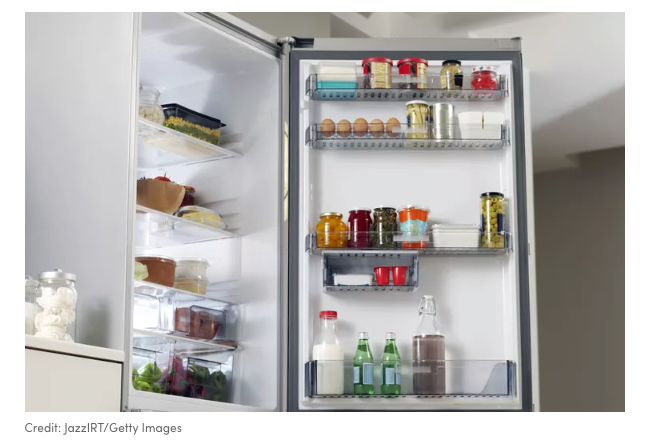
The refrigerator door can feel like the most practical storage zone: items are visible, easy to grab, and the narrow shelves make it simple to organize foods neatly. However, convenience doesn’t always align with food quality or food safety. The door is exposed to warmer kitchen air every time it opens, which means foods stored there experience more frequent temperature fluctuations than items kept deeper inside the fridge.
Rachel Gargano, MS, RD, CSSD, explains that when the door opens, foods and beverages stored there encounter warmer air. As a result, they can remain warmer than the 40 degrees and below needed to keep foods safe. This repeated warming and cooling increases the risk for bacteria to grow, which is why perishable foods are better stored in the main areas of the refrigerator.
Stacey Woodson, MS, RDN, LDN, adds that the door is better reserved for items that are less sensitive to temperature changes. Using the door for more stable foods can help reduce the chance that highly perishable items spoil early—potentially saving money and reducing waste.
General guideline: keep animal products off the door
A simple rule of thumb is that if a food is an animal product, it doesn’t belong on the refrigerator door. Gargano notes that these foods should be stored on the bottom shelf of the fridge. This placement also helps reduce the risk of cross-contamination if juices leak, since you don’t want drips falling onto other foods. Beyond that, the door’s fluctuating temperature may encourage more bacterial growth in these items. Even when defrosting meat, the refrigerator door is described as a very bad place for it.
Foods you should never store in the refrigerator door
Meat and other animal products
Animal products should be stored on the bottom shelf rather than the door. The goal is twofold: keep them at a more stable, colder temperature and reduce cross-contamination risk if packaging leaks. The temperature swings at the door can increase the chance of bacterial growth, making it a higher-risk location for these foods.Milk
Milk is best kept on an inner shelf toward the back of the refrigerator, where temperatures tend to remain the coldest. Gargano explains that this location helps keep milk more stable and fresh for longer. Storing milk on the door increases the risk of early spoilage because the door area warms repeatedly during normal use.Yogurt
Although door shelves may include convenient spaces designed for items like yogurt, perishable dairy products are not recommended for door storage. Woodson points out that guidance from the USDA advises avoiding the refrigerator door for perishables. Even if yogurt cups look tidy and accessible there, the fluctuating temperature can reduce quality and shorten freshness.Eggs
Eggs should be stored in their carton on a shelf rather than in a door compartment. Gargano notes that keeping eggs in their carton helps maintain appropriate moisture levels. Storing them inside the main refrigerator area also helps prevent temperature swings that could cause eggs to go bad sooner than necessary.Fruits and vegetables
Produce is described as somewhat less susceptible to temperature changes than many animal products, but it still benefits from proper storage conditions. Gargano recommends using the produce (crisper) drawers, where humidity levels help fruits and vegetables last longer. Vegetables generally need higher humidity, while fruit needs a bit less. Many refrigerators include a simple toggle to customize these settings, making the produce drawers a practical choice for keeping produce fresh for longer.Wine (especially open bottles)
While beverages often do well stored in the door, wine is an exception—particularly after it has been opened. Keeping wine at a steady temperature helps prevent oxidation and supports better quality over time. Because the door is prone to temperature swings, it’s not the best place for wine if you’re trying to preserve its character and freshness.
What to store in the refrigerator door instead
If the door is not the right place for many perishables, it can still be a highly useful storage zone. Woodson suggests the refrigerator door is a great location for condiments, water, and canned beverages—items that are generally more stable and less affected by brief temperature changes. Gargano also notes preserved items such as pickles and nuts as better candidates for door storage.
In practical terms, this means your door shelves can become a dedicated space for foods and drinks that can handle mild temperature variation, while the colder interior shelves are reserved for the most perishable items. This approach can help maintain food quality, reduce premature spoilage, and lower the risk of food safety concerns tied to bacterial growth.
A simple way to reorganize your fridge
To make the most of your refrigerator, prioritize temperature stability for foods that need it most. Keep animal products on the bottom shelf, store milk on an inner shelf toward the back, and place eggs in their carton on a shelf rather than the door. Use the crisper drawers for fruits and vegetables to take advantage of humidity control. Then, use the door for condiments, water, canned beverages, and other preserved items like pickles and nuts. With a few small changes, the fridge door can remain convenient—without becoming the weak link in your food storage routine.