
Healthy Eating Is Human: Practical Ways to Make Nourishing Choices Easier
Healthy eating looks different for different people
Ask a group of people what “healthy eating” means and you’ll likely hear a range of answers. For some, it’s cutting back on fast food or adding more fruits and vegetables. For others, it’s being able to enjoy cake from time to time without guilt. People with medical conditions or food allergies may define healthy eating in a completely different way based on what their bodies can tolerate and what helps them feel well.
There isn’t a single right definition. Healthy eating is human: we all have different wants and needs, and those differences shape our food choices. Even for the same person, the meaning of healthy eating can change over time as life stages, priorities, and needs evolve.
When “healthy” becomes only about nutrients
One way healthy eating can shift is through education and professional expectations. At one point, healthy eating may feel like following nutrition guidelines “by the book.” That approach can be useful, but it can also change how you see food—turning meals you enjoy into a list of nutrients on a plate. A familiar dish like rice and beans can start to look less like comfort food and more like “carbohydrates” and “plant-based proteins.”
For some people, working in nutrition adds another layer: the idea that a dietitian should look a certain way or fit a specific body type. That pressure can lead to measuring food and tracking intake closely—eating whatever you want as long as the nutrients are accounted for. Yet nourishment is more than hitting nutrient targets. Food is also tied to culture and social events, and eating is meant to be enjoyed.
A more flexible definition: balance, nourishment, and peace with food
Over time, healthy eating can become less rigid and more balanced. A flexible approach may mean that most of the time you aim to include foods from all the food groups without measuring everything or overthinking categories like plant-based versus animal-based protein or simple versus complex carbohydrates.
It can also mean making room for a bit of everything—sweets, fast food, and desserts—in moderation, without feeling the need to “account” for every bite. Finding that balance often takes time. The key theme is that healthy eating can be both nourishing and emotionally sustainable: supporting your body while also helping you feel at peace with food.
Real life happens: healthy eating doesn’t always go to plan
Even with the best intentions, eating healthy can collide with daily realities. You might get stuck at work late, feel too tired to cook, or have to choose food on the spur of the moment. Flexibility matters in those moments. Ordering takeout doesn’t have to be framed as failure; you can enjoy it and still consider yourself someone who eats in a health-supportive way.
When choosing quickly, one practical strategy is to pick the best option available. When possible, that might mean ordering the closest thing to a home-cooked meal, or choosing a sandwich, salad, or bowl. And sometimes you may simply crave pizza—and you can eat and enjoy that too.
The broader perspective is that healthy eating isn’t defined by a single meal. It’s shaped by the choices you make day after day. As one saying puts it: one “bad” meal won’t make you sick, just as one “good” meal won’t make you healthy. Your overall pattern matters more than any one decision.
Challenges can be personal, even for nutrition professionals
People often assume that eating healthy comes naturally to dietitians. But dietitians are human too: they can love dessert and crave certain foods like anyone else. In some cases, the biggest challenge isn’t willpower—it’s navigating a major dietary change for health reasons.
For example, managing recurring infections may require giving up many carbohydrate-containing foods. Carbohydrates appear across multiple food groups, including grains, starchy vegetables, legumes, fruit, and dairy, and they’re also common in processed foods and sweets. In theory, someone might aim to eliminate refined carbohydrates. In practice, the change can become broader, affecting processed carbohydrates as well as foods like whole wheat bread and pasta, and even limiting starchy vegetables, grains, and dairy.
When the list of workable foods narrows—perhaps to options such as fruits, oats, quinoa, and legumes like lentils, beans, chickpeas, and edamame—adjusting can take time. Planning snacks on the go and eating out can become more complicated. This is where two skills become especially important: organization and creativity.
Three repeatable habits that can make healthy eating easier
If healthy eating is a choice you make each time you eat, then reducing decision fatigue can help you follow through. The goal isn’t perfection; it’s making the decision-making process simpler so that choosing what’s best for you becomes easier to repeat.
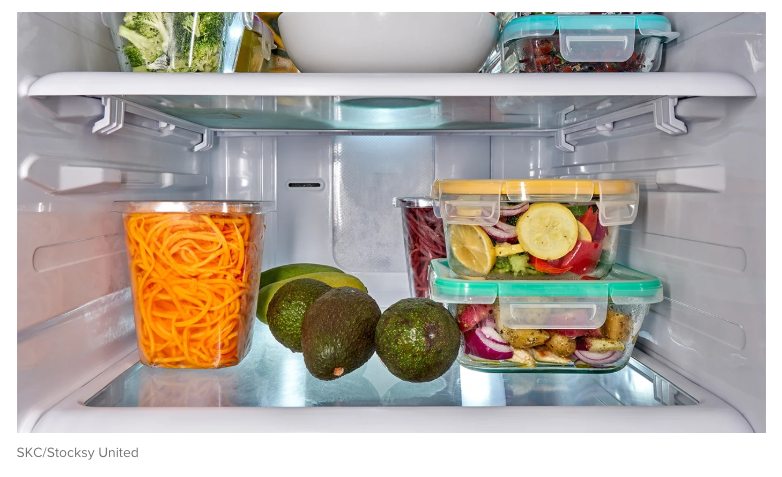
1) Prep food ahead of time. Preparing food for the week can save time and make nutritious meals more accessible. When meals only need to be heated and served, it’s easier to eat well even on busy days. One approach is cooking a batch of protein—often chicken or another lean meat—portioning it, and freezing it for more than a week, then defrosting as needed. Prepping vegetables is also helpful so adding a salad or a side of veggies feels automatic. Preparing vegetables in different ways—slicing, dicing, grating, or spiralizing carrots and zucchinis, for instance—can keep meals interesting and make vegetables easier to incorporate.
2) Keep fruit visible. A simple environmental cue can influence what you eat. Research suggests you’re more likely to eat more of whatever foods you place near you, whether those foods are fruit or sweets. One practical setup is to keep fruit on display—such as on a table—while storing snacks and sweets out of immediate sight. This doesn’t ban any food; it simply makes the nourishing choice more convenient.
3) Follow a basic routine with a set of go-to dishes. You don’t necessarily need a strict weekly menu to eat in a balanced way. Having a small set of dishes you regularly choose from at each meal can reduce daily decision-making and still allow variety. With multiple options available, you can pick based on whether you want something sweet or savory. This approach can also make grocery shopping easier because you already know what you’re likely to eat.
Making healthy eating your own
Healthy eating is for everyone, but it won’t look the same for everyone. Your definition may change as you mature and as your needs shift. The most sustainable approach is one that helps you nourish your body while staying at peace with food—allowing flexibility when life gets busy and focusing on overall patterns rather than single meals.
If you’re not sure where to begin, working with a registered dietitian can help you conceptualize a nutritious plan that fits your specific needs and lifestyle. Whether you start with meal prep, a fruit bowl on the table, or a short list of reliable meals, small repeatable habits can make healthy eating feel more human—and more doable.