
A New-Year Pantry Reset: 9 Items to Clear Out Before January
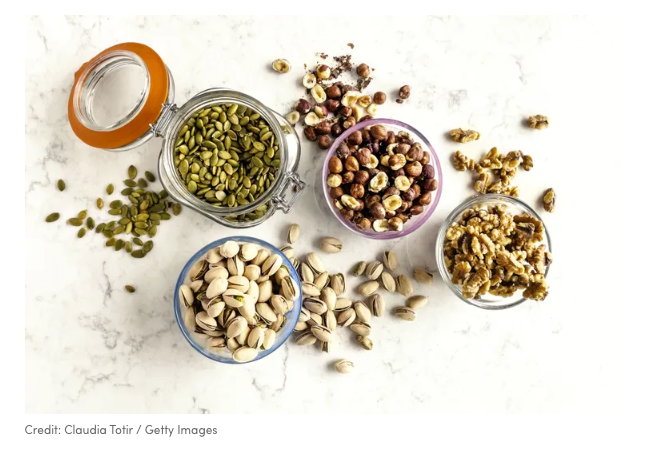
The start of a new year is a practical moment to reset your pantry. A thoughtful clean-out can help you declutter, take stock of what you already have, and identify what you actually use—so your next grocery list is based on reality, not forgotten duplicates. It also creates space for fresh pantry staples and helps you avoid cooking with ingredients that have lost quality or, in some cases, may no longer be safe.
A straightforward approach works best: empty each shelf and drawer, wipe everything down, and vacuum any crumbs or dust. Then restock with intention—keeping what’s still good, and discarding what’s expired, damaged, or simply never getting used. Below are nine categories of items to consider tossing before January so you can begin the year with a cleaner, more functional pantry.
1) Unused items that are long past their best-by date
Many shelf-stable foods can remain fine for months beyond a best-by date, but the bigger question is whether you will realistically use them. If an unopened product has been sitting in your pantry for years, it’s a strong sign it’s not part of your routine. And if a product is already open, anything carrying a 2024 date should be discarded. Clearing these out makes it easier to see what you truly rely on day to day.
2) Dented cans and torn or ripped packages
Packaging condition matters. Dented cans can pose a food safety hazard, and torn or ripped packages should be tossed. Openings in boxes and bags make it easy for bugs and other vermin to access the food. Exposure to air can also cause food to go bad. When you’re sorting pantry items, prioritize intact packaging and remove anything compromised.
3) Containers with sticky residue
Sticky containers can create problems that spread. Residue can attract bugs and dust, and the mess tends to worsen over time—sometimes transferring to nearby items. Rather than wiping down a container that’s already sticky, discard it. This one step can make the rest of your pantry feel cleaner and easier to maintain.
4) Old spices that have lost their aroma
Spices typically go bad within a year, though some can last longer depending on where they’re sourced and how they’re packaged. A simple way to check is the scent test: if a spice has no scent, it has no taste. Toss spices that no longer smell like much, and keep the ones that still have a noticeable aroma. This helps ensure your cooking tastes the way you expect it to.
5) Novelty foods you’re not going to eat
Pantries often accumulate “interesting” items that sounded fun at the time—like a specialty-branded pack of super spicy instant noodles—or souvenirs you bought with good intentions but never opened. If you’re not actually going to eat them, they’ll likely linger until the next annual clean-out. Consider donating or tossing these odds and ends, or challenge yourself to taste and enjoy them in the first week of the year.
6) Seasonal items that are a year old (or about to be)
Seasonal pantry goods can take up a surprising amount of space. Make room by tossing seasonal items that are a year old, or nearly so. Unused Thanksgiving items won’t be good for Thanksgiving 2026, and it’s not helpful to hold onto last Memorial Day’s unused hot dog buns until they expire before the holiday comes around again. Clearing these out prevents your pantry from becoming a storage unit for last year’s plans.
7) Expired seeds and nuts (and open packages you won’t finish)
Seeds and nuts can go rancid quickly, especially once opened. They’re best stored in the refrigerator, which helps slow that process. As you clean out your pantry, toss any expired seeds or nuts, and consider finishing open packages soon so you can reset your supply for the new year. This is also a good moment to relocate any nuts and seeds you plan to keep into the fridge for better storage.
8) Tea that has lost potency
Tea leaves lose their potency after about a year. If your tea collection keeps growing instead of shrinking, you may have teas that are now fairly weak. Use older teas up quickly, or get rid of them to make room for new, fragrant tea in 2026. A smaller, fresher selection is often more enjoyable than a crowded shelf of stale options.
9) Opened leavening ingredients from baking
Baking ingredients used for leavening—such as yeast or baking powder—have a short window once opened. In the pantry, they last at most about three months after being opened. Refrigeration can extend their lifespan, but it’s still important to check what you have. Toss leftovers from holiday baking that are soon to expire, since weak leaveners can potentially ruin a new baking project.
A quick checklist for your clean-out
- Discard open items with a 2024 date.
- Toss dented cans and any torn or ripped packaging.
- Remove sticky containers rather than trying to clean them.
- Use a scent test to decide which spices to keep.
- Donate, toss, or quickly use novelty foods you won’t otherwise eat.
- Clear out seasonal items that are a year old or nearing that point.
- Throw away expired nuts and seeds; store keepers in the refrigerator.
- Use up or discard tea older than about a year.
- Replace opened yeast or baking powder that’s past its short shelf life.
Once you’ve removed what doesn’t belong, restocking becomes simpler: keep frequently used items visible and accessible, and avoid reintroducing clutter. A pantry reset before January isn’t just about throwing things away—it’s about making your kitchen easier to use, so the food you buy actually gets eaten.