
A Simple Sugar Swap for Cookies That Stay Soft and Chewy
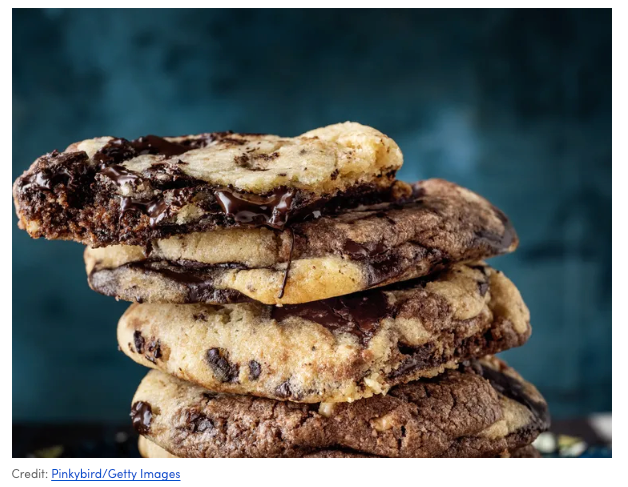
Why cookies go from perfect to dry so quickly
Many home bakers know the pattern: cookies come out of the oven soft, chewy, and irresistible, but within a day the leftovers start to feel drier and harder. That shift can be especially disappointing when the flavor is still great, yet the texture has lost its appeal.
Because baking is so dependent on balance, small ingredient changes can have an outsized impact. One commonly used bakery approach for maintaining a chewy texture longer is surprisingly simple: replace part of the granulated sugar with a liquid form of sugar. The idea is not to overhaul your recipe, but to make a measured substitution that helps cookies retain moisture.
The bakery-style trick: use a liquid sugar for added moisture
This technique relies on how sugar behaves in baked goods. Sugar is hygroscopic, meaning it attracts and holds onto moisture. When some of the sugar in a cookie dough is introduced in a liquid form, it can increase the moisture available in the dough and help the baked cookies stay soft for longer.
The goal is still a cookie with structure and chew, not a wet or underbaked center. Granulated sugar contributes to structure, so the swap works best when it’s kept modest and controlled.
Liquid sugar options you can try
When people refer to “liquid sugar,” they may be talking about several different sweeteners. Common options include honey, molasses, maple syrup, and golden syrup. Each behaves as a liquid sweetener, but they don’t all taste the same, and that matters in cookies.
Honey: Distinct flavor that will show up in the finished cookie; can pair well with citrus-forward cookies.
Molasses: Deep, rich flavor; especially logical in recipes that already use brown sugar.
Maple syrup: Adds maple notes that can complement spice cookies.
Golden syrup: Tastes most similar to granulated sugar and is a good choice when you want minimal flavor change. It’s essentially sugar, water, and a hint of lemon juice cooked down into a thick, golden syrup.
Choosing the right liquid sugar depends on whether you want the sweetener to contribute flavor. If you’re looking for the most neutral swap, golden syrup is the closest match to plain sugar.
How much to swap (and why restraint matters)
The key is not to replace all of the granulated sugar. If you go too far toward the liquid side, you risk ending up with a gooey dough and cookies that spread excessively. Granulated sugar isn’t just sweetness—it also helps provide structure.
A practical guideline is to keep liquid sugar under 25% of the total sugar in the recipe. For example, if your recipe calls for 1 cup of sugar total, 1/4 cup liquid sugar is the maximum amount to swap in. If you’re trying this for the first time, it’s wise to stay under that ceiling while you learn how the change affects your specific dough.
A chocolate chip cookie example using molasses
Molasses can be a natural fit for chocolate chip cookies, particularly when the recipe already includes brown sugar. Brown sugar is essentially granulated sugar combined with molasses, so adding molasses directly can feel like an extension of what the recipe is already doing.
In one test using a chocolate chip cookie recipe that called for 1 cup of light brown sugar and 1/2 cup of granulated sugar, the sugar was adjusted to 1 1/4 cups granulated sugar and 1/4 cup molasses, with no other significant changes to the recipe.
That single adjustment led to noticeable differences in appearance, spread, flavor, and texture—useful reminders that even a small swap can change a cookie in multiple ways.
What changes to expect: color, spread, flavor, and texture
Color: Adding dark molasses deepens the color of the dough and the baked cookie. The finished cookies can look richer and browner—almost as if cocoa had been added—simply due to the molasses.
Spread: Using a more liquid form of sugar can encourage cookies to spread more on the baking tray. They may come close to merging into a larger cookie shape, even if they don’t fully run together. If you like a bigger, flatter cookie, this can be a welcome effect; if you prefer a tighter shape, it’s something to manage with careful ratios.
Flavor: Molasses can deepen the overall taste, creating a more “caramel-y” profile compared with the original version. For some bakers and taste testers, that added richness can feel more sophisticated while still fitting naturally into a chocolate chip cookie.
Texture over time: The most important outcome for many bakers is how the cookie holds up after cooling and storage. With the liquid sugar swap, cookies can bake up with a delicate, caramelized crisp at the edges while warm, then settle into a soft, chewy texture as they cool. Over several days, the crispness may subside, leaving cookies that remain notably soft well beyond the first 24 hours.
When this technique is (and isn’t) the right choice
This approach is best suited for bakers who want soft, chewy cookies that stay that way for days. It’s not ideal if you strongly prefer a crisp cookie, or if the recipe’s purpose depends on a crisper structure. For example, a sugar cookie intended for decorating may benefit from trending crispier so it’s easier to handle and decorate.
For classic drop cookies where chewiness is the goal, even a small amount of liquid sugar can be a practical, low-effort experiment.
Adjusting your next batch
Because this is a balance, you may want to fine-tune the swap after your first try. If the cookies spread more than you’d like, one option is to slightly reduce the liquid sugar amount (for instance, using a bit less molasses and a bit more granulated sugar) while keeping the overall sugar quantity similar. Small tweaks can help you keep the improved softness while retaining a shape you prefer.
If your priority is maximum chew and longer-lasting softness, the liquid sugar swap is a straightforward technique worth testing in your favorite cookie recipes—especially when you start conservatively and adjust based on the results you see in your own kitchen.
Quick guidelines to remember
Swap in a liquid sugar to help cookies retain moisture and stay soft longer.
Keep liquid sugar under 25% of the total sugar to avoid overly gooey dough and excessive spread.
Expect flavor changes with honey, molasses, or maple syrup; choose golden syrup for the most sugar-like taste.
Be prepared for darker color and more spread, especially with molasses.