
A Simple Way to Keep Salad Greens Fresh Longer
Why salad greens go bad so quickly
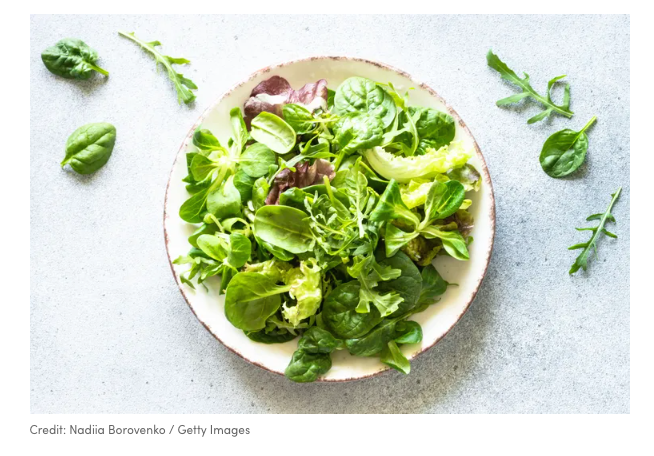
Salad greens can be one of the most frustrating items to buy, even when you have the best intentions for easy lunches and fresh dinners. Delicate greens such as spinach, arugula, and spring mix often look great at the store, but once they’re home and in the refrigerator they can start to wilt, yellow, or turn slimy within just a few days. For many people, that quick decline turns a healthy plan into food waste.
The main culprit is moisture—specifically, too much moisture trapped where it doesn’t belong. As greens sit in the refrigerator, condensation naturally forms inside bags and containers. That moisture settles on the leaves, speeding up breakdown and rot. The result is familiar: soggy spinach, sad spring mix, and greens that feel like they spoil before you ever have a chance to use them.
The low-effort trick: store greens with paper towels
If you want a simple, practical way to keep greens fresh and crisp for as long as possible, one method stands out for being both straightforward and effective: storing greens with paper towels. The idea is not complicated. Paper towels act as a buffer, absorbing excess moisture before it can collect on the leaves and accelerate spoilage.
Because condensation is such a common issue in refrigerated storage, this approach addresses the problem at its source. Instead of letting moisture linger on the greens, the paper towel helps pull it away. It’s a small step, but it can make a noticeable difference in how long your greens stay usable.
How to do it step by step
This method works best when you begin with dry greens. If your greens have been washed, take the time to dry them thoroughly before storing. This is where a salad spinner can be especially helpful, since it makes it easier to remove water clinging to the leaves. Starting with greens that are already damp can shorten their lifespan, even if you add paper towels.
Start with dry greens. If they’ve been washed, dry them thoroughly.
Line the container or bag. Place a dry paper towel at the bottom of a storage container or produce bag.
Add the greens. Put the greens on top of the paper towel.
Top with another paper towel. Place a second dry paper towel over the greens before closing the container.
Refrigerate in the right spot. Store the container in the refrigerator, ideally in the crisper drawer.
Replace as needed. If the paper towel becomes damp after a day or two, swap it out for a fresh, dry one.
What to expect from this storage method
Using paper towels doesn’t require changing how you shop, cook, or eat, which is part of what makes it appealing. It’s a low-effort fix aimed at a high-annoyance problem. When greens are stored this way, they can last several days longer than they otherwise might. In some cases, they may stay in good shape close to a couple of weeks, depending on how dry they were at the start and how well moisture is managed over time.
The key is consistency: keep an eye on the paper towels, and replace them when they become damp. That quick maintenance step keeps the moisture-absorbing “buffer” working, which helps prevent condensation from sitting directly on the leaves.
Why paper towels help
The refrigerator environment encourages condensation, especially inside closed bags and containers. Even if the greens look dry when you put them away, moisture can accumulate as temperatures shift and air circulates. Once that moisture settles on the leaves, it speeds up breakdown and rot. Paper towels help by absorbing that excess moisture, reducing the amount that ends up on the greens themselves.
In other words, the paper towel isn’t “preserving” the greens in a special way—it’s simply managing the conditions that cause them to deteriorate quickly. For delicate greens that are prone to wilting and becoming slimy, that moisture control can be the difference between a salad you can make later in the week and a bag you end up throwing out.
A simple routine that can reduce waste
Greens are often purchased with good intentions: quick salads, easy sides, and a fresh component for meals. But when they spoil in a day or two, it’s discouraging—and expensive. The paper towel method is a small habit that can support a more reliable routine. It doesn’t require special equipment beyond what many kitchens already have, and it fits naturally into the moment you unpack groceries or put leftovers away.
If you’ve ever opened the refrigerator to find wilted leaves or a slimy layer at the bottom of a bag, this approach is worth trying. It targets the main reason greens go bad so quickly—trapped moisture—and replaces that soggy environment with something more stable.
Quick checklist for success
Keep greens as dry as possible before storing.
Use paper towels above and below the greens to absorb condensation.
Store in the refrigerator, ideally in the crisper drawer.
Replace damp paper towels with fresh, dry ones after a day or two.
While it may seem like a minor detail, moisture management is often the difference between greens that last two days and greens that actually survive the week. For anyone tired of soggy spinach and wilted arugula, this is an easy, practical step that can keep salad plans on track.