
Five Fast-Food Pepperoni Pizzas to Know for National Pizza Day
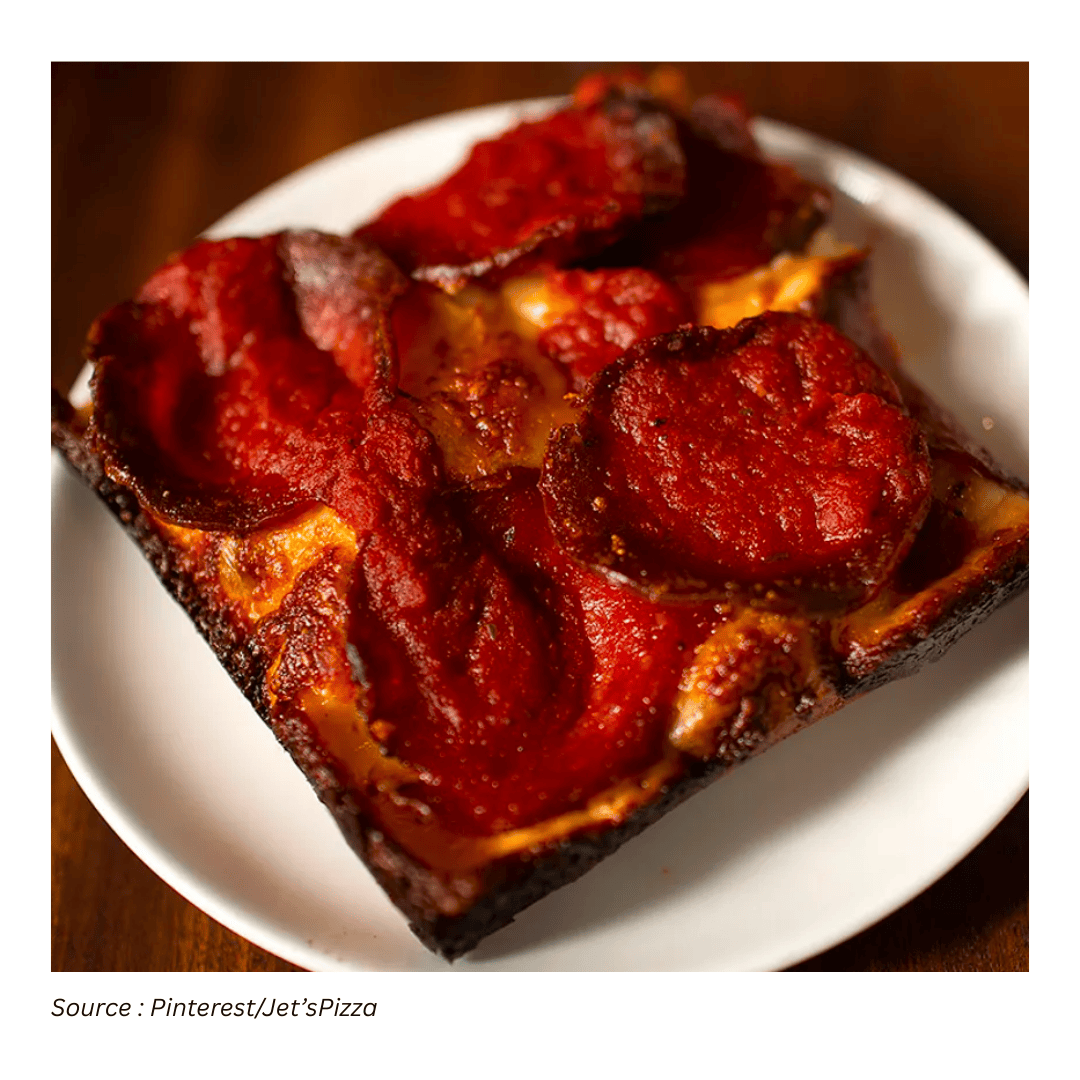
Pepperoni, pizza, and a date on the calendar
Feb. 9 is National Pizza Day, and in the United States the celebration frequently comes with a familiar default topping: pepperoni. Pizza has a long history—initially developed in 18th-century Naples—and it has evolved into countless regional variations over time. In the U.S., those variations span New York- and Detroit-style pies, Chicago deep dish, and even Altoona-style. Yet across styles and regions, pepperoni remains the most popular topping nationwide.
That popularity helps explain why National Pizza Day tends to spotlight pepperoni in particular. For many customers, pepperoni is both a reliable benchmark and a comfort choice: salty, savory, and easy to compare across brands. For restaurants, it is also a straightforward way to offer something familiar while still allowing for differences in crust, sauce, cheese, and overall build.
A snapshot of the fast-food pepperoni landscape
To mark the occasion, a food publication released a ranking of fast-food pepperoni pizzas, focusing on options that are widely available. The list was based on three criteria: overall pizza flavor, the quality of the ingredients, and overall value. Those categories matter because they speak to how customers often make quick decisions—especially when ordering from major chains where menus can be extensive but the goal is usually a dependable, consistent meal.
The five brands highlighted in the ranking reflect a range of approaches to pepperoni pizza. Some emphasize a particular regional style, while others lean on scale, menu breadth, and signature items. Together they offer a useful guide for anyone planning a low-effort National Pizza Day meal, or simply looking for a pepperoni baseline to compare across chains.
1) Jet’s Pizza: Detroit-style roots, pepperoni across the menu
The top spot in the ranking went to Jet’s Pizza, a Michigan-based chain known for Detroit-style pizza. While Detroit-style is its calling card, the chain offers a variety of styles, and pepperoni can be added to all of them. That flexibility is part of the appeal: customers can keep the topping consistent while changing the crust style, cut, or overall format.
Jet’s says it focuses on ingredients and daily preparation, describing its approach in terms of vine-ripened tomatoes, Italian herbs and spices, dough prepared by hand each day, and hand-grated premium mozzarella cheese. In other words, the chain positions its product as something built with attention to core components—sauce, seasoning, dough, and cheese—before the pepperoni even enters the conversation.
In terms of footprint, Jet’s operates hundreds of restaurants in 22 states, with the largest concentration in Michigan, where it has 166 locations. It serves states across the South, Midwest, and West, as well as two states in the Northeast: New York and Pennsylvania. That distribution still leaves gaps in national coverage, but it is broad enough that many customers can access it without seeking out a specialty shop.
2) Godfather’s Pizza: a long-running chain with pepperoni-heavy combinations
Second in the ranking was Godfather’s Pizza, a Nebraska-based chain with more than 2,000 locations, according to its website. The brand’s scale is notable, and it also has a distinctive place in business history: Herman Cain served as the company’s CEO from 1986 to 1996.
Godfather’s describes its pizzas as being “piled high with quality ingredients” and “topped with heaping layers of perfectly melted cheese,” aiming for a “mouthful of flavors in every delicious bite.” That framing suggests a hearty, loaded style where pepperoni is part of a larger, more abundant build rather than a minimalist topping choice.
Pepperoni appears in multiple Godfather’s menu options, giving customers several ways to order it depending on how spicy, meaty, or classic they want their pie. The chain features pepperoni in the Humble Pie, Hot Stuff, Classic Combo, and All-Meat Combo. For pepperoni fans, that lineup matters because it offers both straightforward and more elaborate combinations without forcing a custom order.
3) Pizza Hut: scale, familiarity, and multiple pepperoni formats
Pizza Hut ranked third, a placement that aligns with its longstanding visibility and broad reach. Based in Texas, the chain says it has 16,000 restaurants in 100 countries. That kind of scale tends to make Pizza Hut a default option in many markets, especially for customers who prioritize convenience and predictability.
For pepperoni specifically, Pizza Hut offers a Pepperoni Lover’s Pizza on its classic crust, as well as a tavern-style Pepperoni Duo pizza. The presence of multiple named pepperoni options suggests the chain treats the topping not just as an add-on, but as a central theme that can be expressed through different styles and formats.
Pizza Hut also notes an option for customers who follow a gluten-free diet: a Pepperoni Pizza made with Udi’s Gluten-Free Crust, which the chain describes as featuring classic marinara sauce, pepperoni, and 100% real mozzarella. That detail is relevant for households ordering for mixed dietary needs, where a pepperoni pizza can remain part of the plan without requiring everyone to compromise on topping choice.
4) Papa Johns: pepperoni as a universal topping and a signature oversized option
Papa Johns, founded in Jeffersonville, Indiana, has grown to more than 5,000 locations in 45 countries. The chain is known for including a signature pepperoncini pepper with its pizzas, a small detail that has become part of its brand identity.
In terms of ordering, pepperoni is available as a topping across Papa Johns’ pizzas, including pan pizzas and stuffed-crust pizzas. That matters because it means pepperoni fans can focus on choosing the crust and format they want—pan, stuffed, or otherwise—without losing the topping that brought them to the menu in the first place.
One of the chain’s most recognizable pepperoni-forward offerings is the Shaq-a-Roni, inspired by former NBA star Shaquille O’Neal. Papa Johns describes it as an extra large pizza made with more than half a pound of cheese and extra pepperoni on eight foldable slices of its fresh, never frozen original dough. The description emphasizes size, cheese quantity, and “extra pepperoni,” positioning it as a bolder version of a standard pepperoni pie.
5) Domino’s: massive output, value deals, and an “Ultimate” pepperoni build
Although Domino’s ranked near the end of the list, the chain’s popularity is difficult to ignore. Domino’s says it operates 14,000 locations in more than 85 countries and produces around 1.5 million pizzas each day. Those numbers underscore its role as a high-volume, convenience-driven option for pizza customers worldwide.
Domino’s is also known for value deals. On Feb. 9, customers can access offers including the Mix & Match Deal for $6.99 each and the $19.99 Perfect Combo meal. For many shoppers, value is not separate from taste; it is part of the overall decision, particularly when ordering for groups or families.
For pepperoni fans looking for a more engineered, layered approach, Domino’s offers an Ultimate Pepperoni Pie. The chain describes it as “two layers of pepperoni sandwiched between provolone, Parmesan-Asiago and cheese made with 100% real mozzarella then sprinkled with oregano.” The structure is the selling point here: pepperoni is not only on top, but integrated into the cheese layers, with oregano added as a finishing detail.
How to use a ranking like this when choosing your next pepperoni pizza
A list based on flavor, ingredient quality, and value can be helpful, but it is even more useful when translated into practical decision-making. Pepperoni pizza is a deceptively simple product: a familiar topping on a familiar base. Yet the eating experience can change dramatically depending on crust style, cheese blend, sauce character, and how heavily the pepperoni is applied.
Here are a few ways the five ranked chains differ, based on the details provided:
Style focus vs. menu breadth: Jet’s is closely associated with Detroit-style pizza but offers multiple styles, while larger chains like Pizza Hut and Domino’s emphasize broad availability and multiple named pepperoni options.
“Loaded” builds vs. classic simplicity: Godfather’s highlights heaping layers and combo pies where pepperoni is part of a bigger ingredient stack; Domino’s Ultimate Pepperoni Pie emphasizes layered construction; Pizza Hut offers more than one pepperoni format; Papa Johns makes pepperoni widely available and also offers a distinct oversized option.
Availability: Some brands have a wider international footprint, while others may be more regional within the U.S. Jet’s, for instance, is spread across 22 states with a heavy Michigan presence.
Value considerations: Domino’s explicitly promotes National Pizza Day deals, which can matter when the goal is feeding a group on a budget.
A broader industry note: pressure on pizza businesses
While National Pizza Day is largely celebratory, it also arrives at a time when some pizza operators describe significant cost pressures. Joe Keegan of Boss Bah Pizza in Braintree, Massachusetts—who makes South Shore bar pizza, a local style—said he has been dealing with “astronomical inflation,” adding, “We’re getting clobbered.” His comments offer a reminder that behind every slice, whether from a local shop or a major chain, there is an economic reality shaping prices, portions, and day-to-day operations.
National Pizza Day, one topping at a time
National Pizza Day on Feb. 9 offers a simple excuse to order a pie and compare notes with friends or family. Pepperoni’s status as the most popular topping in the country makes it the natural centerpiece of that conversation, especially when it appears in so many different forms: classic crust pepperoni, tavern-style versions, extra-large builds with extra pepperoni, or layered “ultimate” interpretations.
The five chains highlighted in the ranking—Jet’s Pizza, Godfather’s Pizza, Pizza Hut, Papa Johns, and Domino’s—illustrate how a single topping can anchor multiple approaches to flavor, texture, and value. Whether you prioritize a particular style, a specific named menu item, or a deal that fits your budget, pepperoni remains the common thread—and, for many customers, the easiest way to decide what to order.