
Smoked Meatloaf: A Juicy, Cheesy Comfort-Food Upgrade With Backyard BBQ Flavor
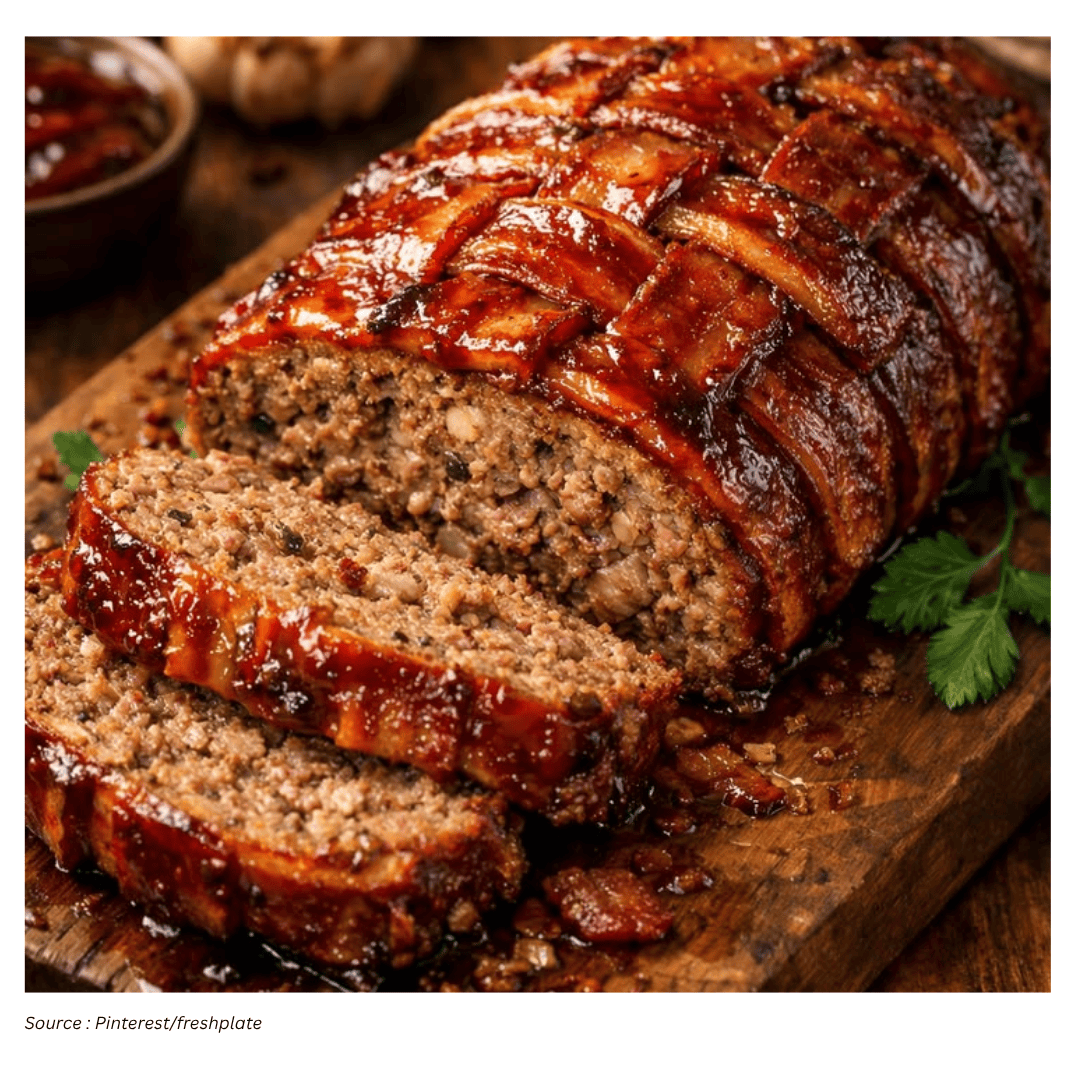
A classic meatloaf, reimagined on the smoker
Meatloaf has long been a dependable comfort food: hearty, familiar, and built for family dinners. Smoking it takes that same reliable idea and adds something you can’t get from a standard oven bake—deep, steady smokiness that seeps into every slice. The result is a smoked meatloaf that’s described as tender, juicy, and cheesy, with a rich smoky flavor that lifts the whole dish into backyard-barbecue territory.
The appeal is straightforward. Smoking can transform a prototypical dish by layering in additional flavor while still keeping the original spirit intact. In this case, the low-and-slow approach helps the loaf cook gently, while the smoke contributes a barbecue character that pairs naturally with a BBQ sauce baste. It’s the kind of main dish that fits just as easily into a weekend cookout as it does a hearty weeknight meal.
What makes smoked meatloaf different
At its core, smoked meatloaf is still meatloaf: a seasoned mixture shaped into a loaf and cooked until safe and sliceable. The difference is in the cooking environment. Instead of surrounding the loaf with dry oven heat, you place it in a smoker set to 225°F and let it cook slowly for several hours. That longer cook time gives smoke more opportunity to flavor the exterior and helps develop a distinct crust—especially if you add a glaze.
This particular approach also leans into a cheesy, comfort-food identity. The description highlights a tender, juicy interior with cheese worked into the loaf. Combined with smoke and a periodic BBQ sauce baste, you get a dish that’s both familiar and noticeably more bold than a standard version.
Ingredients and variations: keep it flexible
The full ingredient list is typically presented in a recipe card, but the key point here is flexibility. Like most meatloaf recipes, you can mix and match some components without changing the overall method. The foundation is a meat mixture that gets combined in a bowl, shaped, and smoked. Small substitutions or additions can be made to suit your preferences, as long as you keep the loaf structure intact and cook it to the proper internal temperature.
Because the method is the star, the exact mix-ins are less important than the technique: keep the meat cold while mixing and shaping, smoke at a steady 225°F, and cook until the internal temperature reaches 165°F. Those are the guardrails that keep the meatloaf juicy and properly cooked.
Step-by-step: the smoking method
The process is simple and built around time and temperature. You mix the ingredients, form the loaf, and smoke it low and slow. A BBQ sauce baste applied regularly helps build flavor and encourages a caramelized exterior.
- Mix: Combine the ingredients in a large bowl.
- Keep the meat cold: A practical tip is to keep the meat cold until the loaf is formed. If it warms too much, the fat can become soft and pliable, which makes the mixture sticky and harder to handle.
- Smoke: Place the formed loaf in a smoker set to 225°F.
- Cook to temperature: Smoke for about 4 hours, or until the internal temperature reaches 165°F.
- Baste: Brush with BBQ sauce every hour during the smoke.
While the method lists a four-hour smoke, it’s also noted that smoked meatloaf usually takes 3–4 hours at 225°F to reach 165°F. The exact timing will vary based on the thickness of the loaf and the type of smoker you’re using. The most reliable way to avoid overcooking—and to prevent the meatloaf from drying out—is to monitor the internal temperature with a meat thermometer.
Time and temperature: what to expect
Smoked meatloaf is not a quick-cook recipe, but it is a predictable one. At 225°F, you’re working in a range where the loaf cooks gradually, giving you a wider margin for error than high-heat methods. Still, time alone isn’t the best indicator of doneness. Thickness matters, and smoker performance varies. That’s why the internal temperature target of 165°F is emphasized as the true finish line.
If you’re planning a meal around it, the 3–4 hour estimate is a useful guide, but it’s wise to build in a little flexibility. The payoff is a meatloaf that’s cooked through without sacrificing tenderness.
Choosing wood: hickory, oak, or applewood
Wood choice shapes the final flavor, and three options are highlighted as especially good fits for meatloaf:
- Hickory: A strong, classic barbecue flavor that brings a bold smokiness.
- Oak: A more balanced smoke profile—present but not overpowering.
- Applewood: Mild and slightly sweet, pairing well with beef and pork.
All three can work well; the best pick depends on whether you want a stronger smoke presence (hickory), a middle-of-the-road approach (oak), or a gentler, slightly sweet finish (applewood). Because meatloaf is already rich and savory, even a mild wood like applewood can still make a noticeable difference.
To glaze or not to glaze: the BBQ sauce finish
A glaze isn’t required, but it’s strongly positioned as a flavor enhancer. Brushing on BBQ sauce during the cook adds a sweet-tangy layer and helps create a caramelized crust on the exterior. In this method, the sauce is applied as a baste every hour, which reinforces the barbecue character and contributes to a glossy, appetizing finish.
If you enjoy a slightly sticky, lacquered surface on smoked meats, the glaze step is a natural fit. If you prefer a more straightforward smoke-and-seasoning profile, you can treat it as optional. Either way, the meatloaf is still cooked to the same internal temperature goal.
Make-ahead and reheating: practical for busy schedules
Smoked meatloaf can be prepared in advance, which makes it easier to serve on a day when you’d rather focus on the smoker than on prep work. You can mix and shape the loaf up to 24 hours ahead, then store it in the refrigerator until you’re ready to smoke it the next day.
Leftovers are also workable. Smoked meatloaf reheats well: wrap it in foil and warm it in the oven at 300°F until heated through. This gentler reheat temperature helps warm the slices without pushing them toward dryness.
Side dishes that match smoky, rich meatloaf
Because smoked meatloaf is rich and savory, the best sides either lean into comfort food or provide a contrasting sweetness and freshness. A well-rounded plate can balance creamy textures, smoky notes, and vegetable sides that brighten the meal.
Suggested pairings include creamy pasta dishes, mashed potatoes, and a range of vegetables and hearty sides:
- Mac and cheese options: three cheese mac and cheese, four cheese mac and cheese, or smoked mac and cheese
- Mashed potatoes: cream cheese mashed potatoes for a smooth, buttery balance
- Vegetables: smoked asparagus; roasted carrots and green beans; maple roasted carrots
- Hearty sides: smoked baked potatoes
- Something sweet and Southern-inspired: sweet corn pudding
Together, these sides are framed as a crowd-pleasing way to build a full meal around the meatloaf. Creamy sides complement the savory meat, while vegetables and slightly sweet options add contrast and keep the plate from feeling one-note.
Tips for a better loaf on the smoker
Even a simple recipe benefits from a few technique-focused reminders. The guidance here centers on handling, temperature control, and doneness checks—small details that can make the difference between a meatloaf that’s merely good and one that’s reliably juicy.
- Start cold: Keep the meat cold until the loaf is formed to prevent the fat from softening and sticking to your hands.
- Hold a steady smoker temperature: The method is built around 225°F, so maintaining that heat helps keep cook times predictable.
- Use a thermometer: Thickness and smoker type affect timing; internal temperature is the most accurate indicator of doneness.
- Consider the glaze: A BBQ glaze can add a sweet, tangy finish and help form a caramelized crust.
A comfort-food centerpiece with real barbecue character
Smoked meatloaf sits at an intersection of comfort cooking and backyard barbecue. It keeps the familiar format—mix, shape, slice—but changes the final flavor profile with smoke, time, and a steady 225°F cook. The result is described as tender, juicy, and cheesy, with a smoky depth that can make the standard version feel ordinary by comparison.
Whether you serve it for a family dinner or as part of a barbecue spread, the method is approachable: smoke until 165°F, baste with BBQ sauce every hour if you want a glazed finish, and pair it with sides that complement its richness. With make-ahead flexibility and straightforward reheating, it’s also a practical dish—one that can fit into both special occasions and regular meal planning.