
S’mores Brownie Pie: A Layered Dessert With Graham Crust, Ganache, and Torched Meringue
A sophisticated spin on a familiar campfire treat
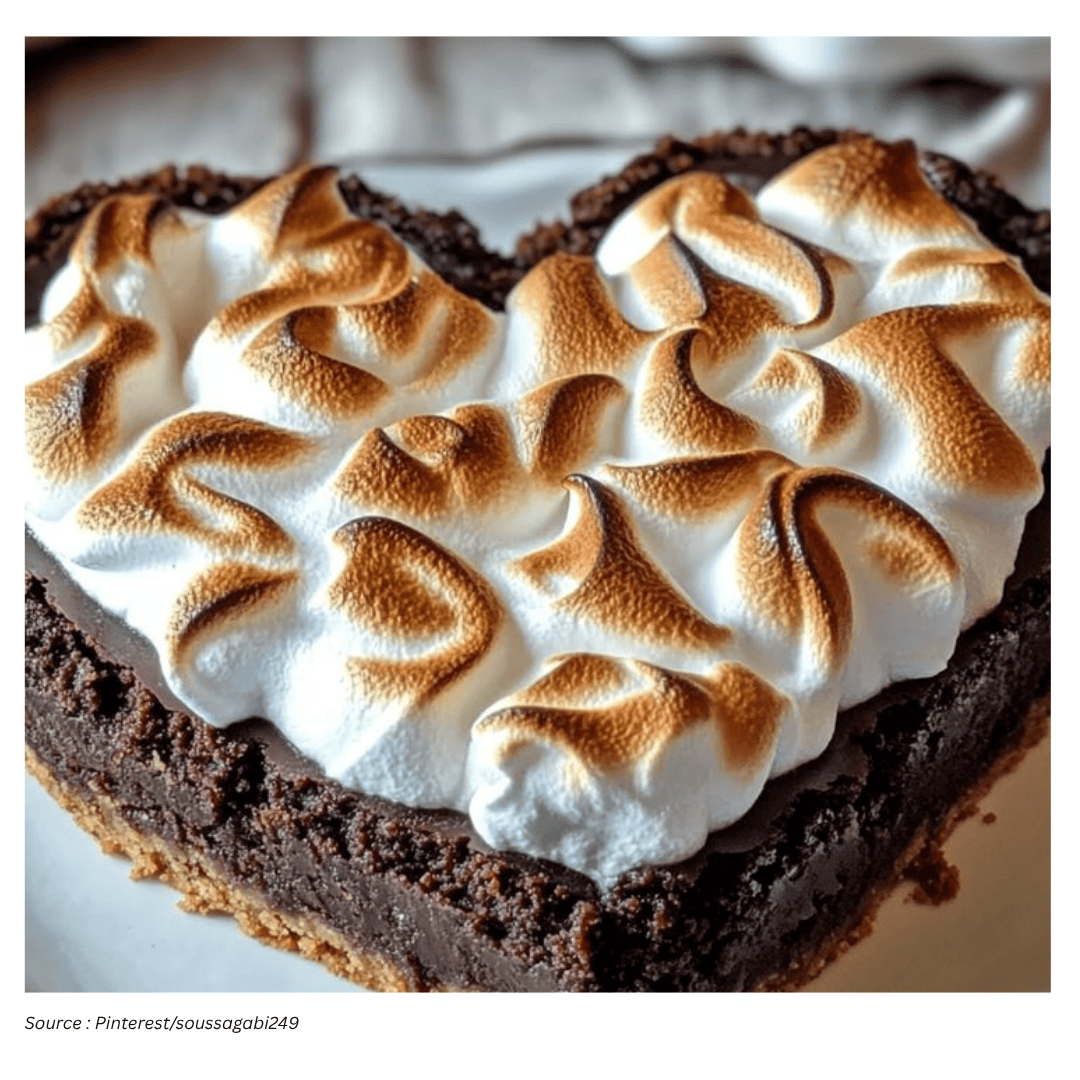
S’mores are famously simple: a sweet cracker, melted chocolate, and a toasted marshmallow. Brownies are equally beloved for their rich chocolate intensity. This s’mores brownie pie brings those nostalgic flavors into a more structured, bakery-style dessert that looks as dramatic as it tastes. The concept is straightforward—stack the signature elements into defined layers—but the result feels elevated: a crisp graham cracker crust, a dense brownie base, a glossy ganache layer, and a cloud of meringue browned with a blow torch (or under a broiler).
Recipe developer Katie Rosenhouse describes the finished pie as intentionally decadent, balancing contrasts in texture and weight. The brownie layer gives the dessert substance, while the meringue stays airy on top. Between them, ganache adds a silky chocolate layer that ties everything together. It’s s’mores-inspired in flavor, but far from rustic in presentation.
What makes this pie different from a classic s’more
The main difference is structure. A traditional s’more is assembled quickly and eaten immediately. This pie, by design, is built in stages. Each layer has a job: the crust provides crunch and salt, the brownie provides richness and chew, ganache adds a smooth chocolate finish, and the meringue delivers a light, toasted sweetness reminiscent of marshmallow. When sliced, you get defined strata—an effect that’s hard to achieve with the original handheld version.
It’s also a dessert that can suit a range of occasions. Because it’s served as a pie, it can be portioned for a group and presented like a centerpiece. Despite the “over-the-top” indulgence Rosenhouse notes, the flavors remain familiar and appealing, making it suitable for both kids and adults.
Ingredients you’ll need (by layer)
This dessert is made entirely from scratch, and it helps to think of the ingredient list as four separate components. Organizing your prep this way keeps the process manageable.
- Graham cracker crust: graham crackers, melted unsalted butter, kosher salt
- Brownie filling: unsalted butter, bittersweet chocolate chips, granulated sugar, eggs, all-purpose flour, unsweetened cocoa powder, kosher salt, baking powder
- Ganache: heavy cream, milk or bittersweet chocolate chips, kosher salt, unsalted butter
- Meringue: egg whites, sugar, vanilla bean paste or extract, kosher salt
- Optional garnish: graham cracker pieces, marshmallows, chocolate chips
Because the pie includes multiple chocolate components (brownie plus ganache), the chocolate flavor is layered rather than one-note. The graham crust and salt help keep the sweetness in check, while the meringue adds height and a toasted finish.
Step-by-step: build the graham cracker crust
The crust is the foundation, and it’s intentionally simple. You’ll grind graham crackers into fine crumbs using a food processor, then pulse in melted butter and salt until the mixture is evenly combined. Once the crumbs are coated, press them firmly across the bottom and up the sides of a 9-inch pie plate. Set the crust aside while you prepare the brownie layer.
A fine crumb texture matters here: it helps the crust pack tightly so it slices cleanly later. Pressing the crumbs up the sides also creates a defined edge that frames the layers once the pie is filled.
Step-by-step: bake the brownie layer
The brownie layer gives this pie its “weight,” acting as a dense base for the softer toppings. Start by melting butter in a medium saucepan. Remove the pan from the heat, add the chocolate, and whisk until smooth. Once the chocolate mixture is glossy, fold in the dry ingredients—flour, cocoa powder, salt, and baking powder—until just combined.
The brownie bakes on a lower rack in the oven for 30 to 35 minutes. The doneness cue is specific: a wooden pick inserted into the center should come out with fudgy bits, not wet batter. That distinction is important because the brownie is meant to remain rich and dense rather than dry. After baking, set the pie aside to cool for at least 1 hour before moving on.
Cooling isn’t just a waiting step—it helps the brownie layer firm up so the ganache can be poured on top without melting into it. A stable base makes the final slices cleaner and keeps the layers visually distinct.
Step-by-step: add the ganache
Ganache is the bridge between the brownie and the meringue: smooth, chocolate-forward, and set enough to support the topping. To make it, heat heavy cream in the microwave in a microwave-safe container until it’s steaming. Add the chocolate and stir until the mixture becomes smooth. Once the ganache is fully emulsified, pour it evenly over the cooled brownie layer.
After pouring, the pie goes into the refrigerator so the ganache can set. This chilling step is also a practical pause point in the recipe, especially if you prefer to split the work over two days.
Step-by-step: make and finish the meringue
The final layer is an egg white-based meringue, whipped to medium-stiff peaks and browned with a torch (or broiler). The process begins with gentle heat. Bring about an inch of water to a simmer in a small saucepan, then reduce the heat to low. Combine egg whites and sugar in the bowl of a stand mixer, and place the bowl over the simmering water. Stir continuously until the mixture is very warm to the touch and the sugar has dissolved.
Once warmed, remove the bowl and whip the egg whites using the whisk attachment until medium-stiff peaks form. Then dollop the meringue over the pie and swirl it decoratively to coat the surface. Finish by browning the meringue with a blow torch or under the broiler. If you like, add optional garnishes such as graham cracker pieces, marshmallows, or extra chocolate chips. The pie is designed to be served immediately after the meringue is finished.
Timing and make-ahead strategy for a multi-step dessert
This pie is described as “pretty straightforward,” but it does involve multiple stages. A practical way to approach it is to treat it as two sessions: bake and cool the crust/brownie, then add ganache and chill; finish with meringue right before serving. The ganache stage is especially useful as a built-in stopping point.
Once the ganache is poured and chilled, you can pause the process until the next day. The ganache needs only enough time to set, but it can also sit in the refrigerator overnight without issue. Rosenhouse notes that after the ganache is cold, the pie can be wrapped tightly and refrigerated for up to four days, or frozen for up to two months.
If you choose to freeze the pie, it’s best to hold off on the meringue. The meringue is more delicate and is best prepared fresh. In other words, freeze the pie through the ganache layer, then thaw and finish with meringue when you’re ready to serve.
How to avoid common meringue problems
Meringue can be temperamental, and small details make a noticeable difference. Rosenhouse emphasizes that the mixing bowl and whisk must be free of fat. Even a trace can prevent egg whites from whipping properly. One practical method is to wipe the bowl and whisk with a splash of lemon juice on a paper towel to remove any lingering residue.
The recipe’s warm-over-water step serves two purposes: it helps dissolve the sugar so the finished meringue isn’t gritty, and it ensures the egg whites are heated before topping the pie. The key is control. Keep the water at a steady simmer and whisk often so the egg whites don’t overcook or begin to scramble.
Finally, patience matters during whipping. Medium-stiff peaks should stand up in strong points and hold their shape. If you’re uncertain, Rosenhouse suggests whipping a bit longer to reach the right volume and structure.
Serving notes and finishing touches
This is a dessert designed for impact: the toasted meringue provides height and a burnished finish, and the optional garnishes can reinforce the s’mores theme. A scattering of graham cracker pieces, a few marshmallows, or extra chocolate chips can echo the flavors already present without changing the core structure of the pie.
Because the meringue is best made right before serving, plan to torch (or broil) close to the moment you want to slice and present the pie. That timing preserves the meringue’s airy texture and keeps the topping looking fresh and defined.
Why this pie works: contrast in every bite
The appeal of this s’mores brownie pie is the deliberate contrast from layer to layer. The graham cracker crust brings crispness; the brownie layer adds deep, fudgy weight; the ganache is silky and smooth; and the meringue is light, sweet, and toasted on top. Together, those textures create a dessert that feels both nostalgic and refined—recognizably inspired by a humble s’more, yet finished with the kind of polish you’d expect from a special-occasion bake.
It isn’t the quickest dessert to assemble, but it rewards a methodical approach. By breaking the recipe into components—and using the ganache chilling time as a natural make-ahead step—you can produce a striking pie that delivers classic flavors in a more sophisticated form.