
Bakery-Style Banana Bread With Nutmeg, Pecans, and a Tender Sour Cream Crumb
Why banana bread still feels like a small baking miracle
Banana bread holds a special place in quick-bread baking because it turns something overlooked—past-its-prime bananas—into a loaf that feels as comforting as cake while still being simple enough for everyday home baking. The appeal is familiar: a moist texture, gentle sweetness, and the unmistakable aroma of ripe bananas. For many people, that flavor lands with a nostalgic note, the kind that makes a slice feel appropriate at breakfast, as an afternoon snack, or as an easy dessert.
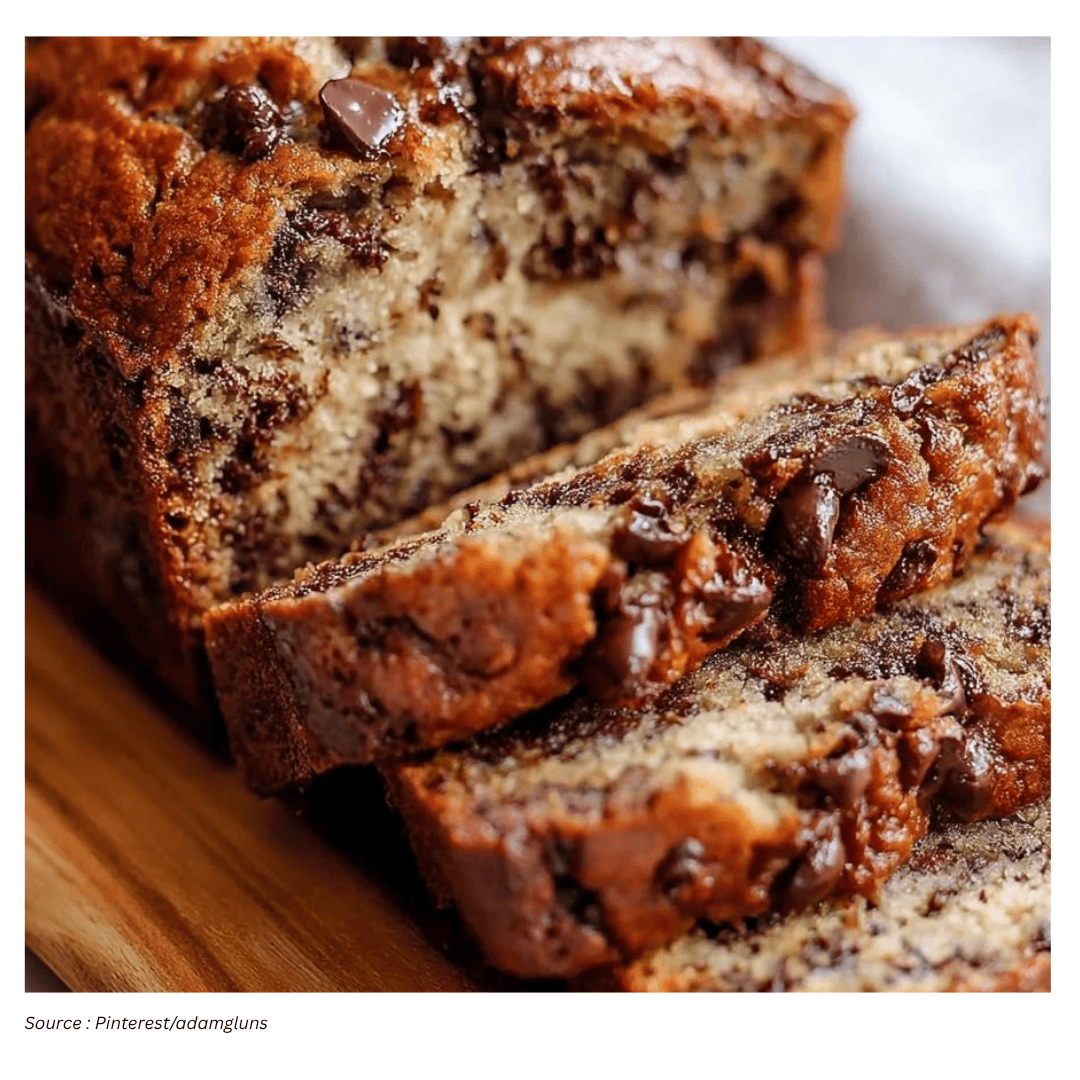
Yet there is a particular kind of allure to banana bread when it looks and tastes like it belongs behind glass in a bakery case. This recipe, developed by former pastry chef Julie Kinnaird, aims for that “window-worthy” effect: a gleaming golden-brown loaf with a tender crumb and a cake-like quality. The core banana flavor stays classic and mellow, but the loaf is enriched with butter, brown sugar, and sweet pecans, then lifted with nutmeg and a hint of rum extract as a nod to Bananas Foster. The result is a banana bread that can stand on its own, but also welcomes toppings and creative leftovers.
The flavor blueprint: classic banana, deeper warmth, and a bakery-style finish
At its heart, this loaf is built on ripe bananas and a traditional quick-bread method, but several choices push it into bakery territory. Brown sugar replaces white granulated sugar for a caramel-like note and extra moisture. Butter adds richness and a more rounded flavor. Chopped raw pecans contribute sweetness and a buttery crunch that breaks up the softness of the crumb.
Two small additions do a lot of work: nutmeg and rum extract. Nutmeg brings a distinctive warmth that pairs naturally with banana, while rum extract adds a dessert-like fragrance that echoes Bananas Foster without changing the bread’s familiar character. Vanilla extract rounds everything out, reinforcing the cake-like impression that makes the loaf feel equally at home on a brunch table or served after dinner.
The secret to a tender, moist crumb: sour cream
If there is one ingredient that quietly changes the texture of banana bread, it is full-fat sour cream. In this recipe, sour cream is used specifically to increase moisture and tenderness while adding a light tang that balances the sweetness of ripe bananas and brown sugar. That subtle tanginess keeps the loaf from tasting one-note, especially once the bread sits for a day or two and the flavors begin to meld.
Sour cream also plays a structural role. Baking soda reacts with acidic ingredients, and here it works with the sour cream (and the brown sugar) to help the loaf rise and develop a soft, tender crumb. The end goal is not a dry, crumbly slice, but a cohesive, cake-like piece that stays pleasant even when eaten plain.
Choosing bananas: the most important decision you’ll make
The recipe’s most essential “technique” happens before you measure a single dry ingredient: choosing bananas that are truly overripe. Extra-ripe bananas have developed more sugars, become silky-soft, and carry more moisture and flavor than bananas that are still firm, yellow, or tinged with green. Those qualities translate directly into the loaf’s sweetness, aroma, and texture.
If you don’t have overripe bananas at home, many grocery stores keep a stash of brown-flecked bananas that are no longer ideal for snacking but are perfect for baking. The key is to check that the fruit is still edible: when you peel the banana, look out for mold or strong off-odors, which can be signs the fruit has gone too far. For this bread, you want bananas that are soft and deeply ripe, not spoiled.
Ingredients that matter (and why they’re used)
Overripe bananas (mashed): Provide moisture, sweetness, and the signature banana aroma.
Unsalted butter (softened): Adds richness and helps create a creamy base when beaten with sugar.
Light brown sugar: Preferred for its caramel flavor and added moisture compared with white sugar.
Eggs (room temperature): Mix more smoothly and help prevent the butter from chilling and curdling.
Full-fat sour cream (room temperature): The “secret weapon” for extra moistness, tang, and a tender crumb.
All-purpose flour: Forms the structure of the loaf.
Baking soda: Reacts with acidity in the batter to help the loaf rise.
Sea salt: Balances sweetness and sharpens flavor.
Ground nutmeg: Adds warmth and a distinctive spice note that complements rum and vanilla extracts.
Rum extract and vanilla extract: Create a dessert-like aroma and reinforce the bakery-style flavor profile.
Chopped raw pecans: Add buttery sweetness and a toothsome bite throughout the crumb.
Why room temperature ingredients help
This loaf uses the classic creaming method—beating softened butter with brown sugar—so ingredient temperature matters. Eggs at room temperature combine more easily because their proteins are relaxed, which helps them emulsify into the butter-sugar mixture. That smoother mixing reduces the risk of the batter looking curdled or the butter stiffening when cold eggs are added.
The same thinking applies to sour cream: bringing it to room temperature helps it blend evenly into the batter. When everything mixes smoothly, the loaf bakes more consistently, and the crumb tends to be more uniform and tender.
Pan prep for a clean release and a bakery-style shape
To set yourself up for a neat, professional-looking loaf, prepare the pan carefully. Oil a 9 x 5-inch loaf pan, then line it with a 9 x 16-inch strip of parchment paper so the paper hangs over both long sides. Those overhangs act like handles, making it easier to lift the bread out after cooling. This small step helps preserve the loaf’s shape and keeps the crust intact—especially useful if you want that polished bakery presentation.
Step-by-step method (simple, quick-bread friendly)
The process is straightforward and designed for home bakers, but it still follows a disciplined order to protect texture and prevent overmixing.
Prepare the pan: Oil a 9 x 5-inch loaf pan and line it with a 9 x 16-inch parchment strip that overhangs the long sides.
Cream butter and sugar: Using a hand-held or stand mixer, cream together softened unsalted butter and light brown sugar until well combined.
Add eggs gradually: Add the eggs one at a time, mixing well after each addition.
Combine dry ingredients: In a separate bowl, mix all-purpose flour, baking soda, sea salt, and ground nutmeg.
Finish the batter gently: Add the dry ingredients to the banana mixture on low speed, mixing just until combined.
Fill the pan: Transfer the batter to the prepared loaf pan.
Bake: Bake for 55–60 minutes, or until a tester inserted in the center comes out clean.
Cool in stages: Cool the bread on a rack for 30 minutes, then use the parchment “handles” to lift it from the pan.
Cool completely and serve: Once fully cool, slice and serve plain or with toppings such as butter or jam.
Serving ideas: simple is excellent, but toppings work beautifully
This banana bread is designed to be delicious on its own, with enough richness from butter and brown sugar and enough fragrance from nutmeg and extracts to keep each bite interesting. Still, it also plays well with simple additions. A smear of butter emphasizes the loaf’s cake-like softness, while jam adds a bright contrast to the mellow banana flavor.
Because the crumb is tender and moist, slices hold together well for toasting or for building more elaborate treats later on—especially after the loaf has had time to rest.
Variations that keep the same “bakery-worthy” spirit
One of the strengths of this recipe is that it can act as a template. The base—banana, brown sugar, butter, sour cream, and a warm spice—creates a flexible foundation for changes that still feel cohesive.
Brown butter upgrade: For a deeper, toastier butter flavor, you can brown the butter first. Because browning butter cooks off moisture, the recipe notes that you should add 2 tablespoons of water to the batter to compensate for evaporation.
Nut swaps: Walnuts or hazelnuts can replace pecans while staying in the same flavor family. If using hazelnuts, roast them first and remove as much papery skin as possible to avoid bitterness.
Chocolate addition: Stir in 1/2 cup milk, semi-sweet, or dark chocolate chips along with the nuts at the end for a richer, dessert-leaning loaf.
Spice change: Cinnamon can be used instead of nutmeg for a different warm-spice profile.
Why banana bread can taste better after a few days
Fresh banana bread is hard to resist, and this loaf is certainly enjoyable once it cools enough to slice. But the recipe developer notes that day 3 is often the best day to eat it. As the bread “ages,” the gluten structure and proteins relax, moisture from the bananas and sour cream redistributes, and the flavors mature and meld. The practical bonus is that the loaf becomes easier to slice cleanly, making it more convenient for breakfasts, snacks, and repurposed desserts.
This is one reason bakery-style banana bread can feel so polished: it isn’t only about baking; it’s also about giving the loaf time to settle into its best texture.
Storage: how to keep the loaf moist without turning it soggy
Proper storage protects the loaf’s tender crumb. The key step is patience: wait until the bread is completely cool before wrapping. Wrapping too soon can trap steam, which may make the loaf soggy as heat tries to escape from the center.
Once fully cool, wrap the bread tightly in plastic wrap and refrigerate it. Stored this way, the loaf can stay fresh for up to a week under refrigeration. If you want longer storage, freeze it for up to 4 months. For freezing, add an extra layer of plastic wrap or place the wrapped loaf in a zip-top bag to protect it from freezer air.
Interestingly, even a short freeze can mimic the same “settling” effect as a few days of resting, helping the bread slice more neatly and feel more cohesive.
Creative ways to use leftover slices (and why they work)
This recipe makes a large loaf, which is ideal if you want to bake once and enjoy it in multiple forms. Because the bread is moist and cake-like, it adapts well to desserts and breakfast dishes that benefit from a soft but sturdy base.
Banana bread pudding: Toast cubes of banana bread, toss them with a mixture of eggs, cream, and a bit more brown sugar, then bake and serve with a scoop of vanilla ice cream.
Banana bread French toast: Soak whole slices and fry them like traditional French toast, or cut slices into wide strips for French toast sticks that are easy to dip in syrup.
Savory-leaning toast: Top a toasted slice with soft cream cheese and a sprinkle of bacon crumbles for a sweet-salty contrast.
Dessert sandwich: For a more decadent option, make a banana bread and Nutella sandwich.
A bakery-worthy loaf that still feels like home baking
This banana bread succeeds because it respects what people love about the classic—ripe banana sweetness, a soft crumb, and easy preparation—while adding a few deliberate touches that make it feel special. Brown sugar deepens flavor and moisture, sour cream keeps the crumb tender, and nutmeg with rum extract gives the loaf a warm, dessert-like aroma. Finished with sweet pecans and baked to a golden brown, it’s the kind of quick bread that looks impressive on the counter, slices beautifully after resting, and stays versatile long after the first warm piece disappears.