
One-Pot Vegetable Red Curry: A Fast, Creamy Weeknight Dinner With Big Flavor
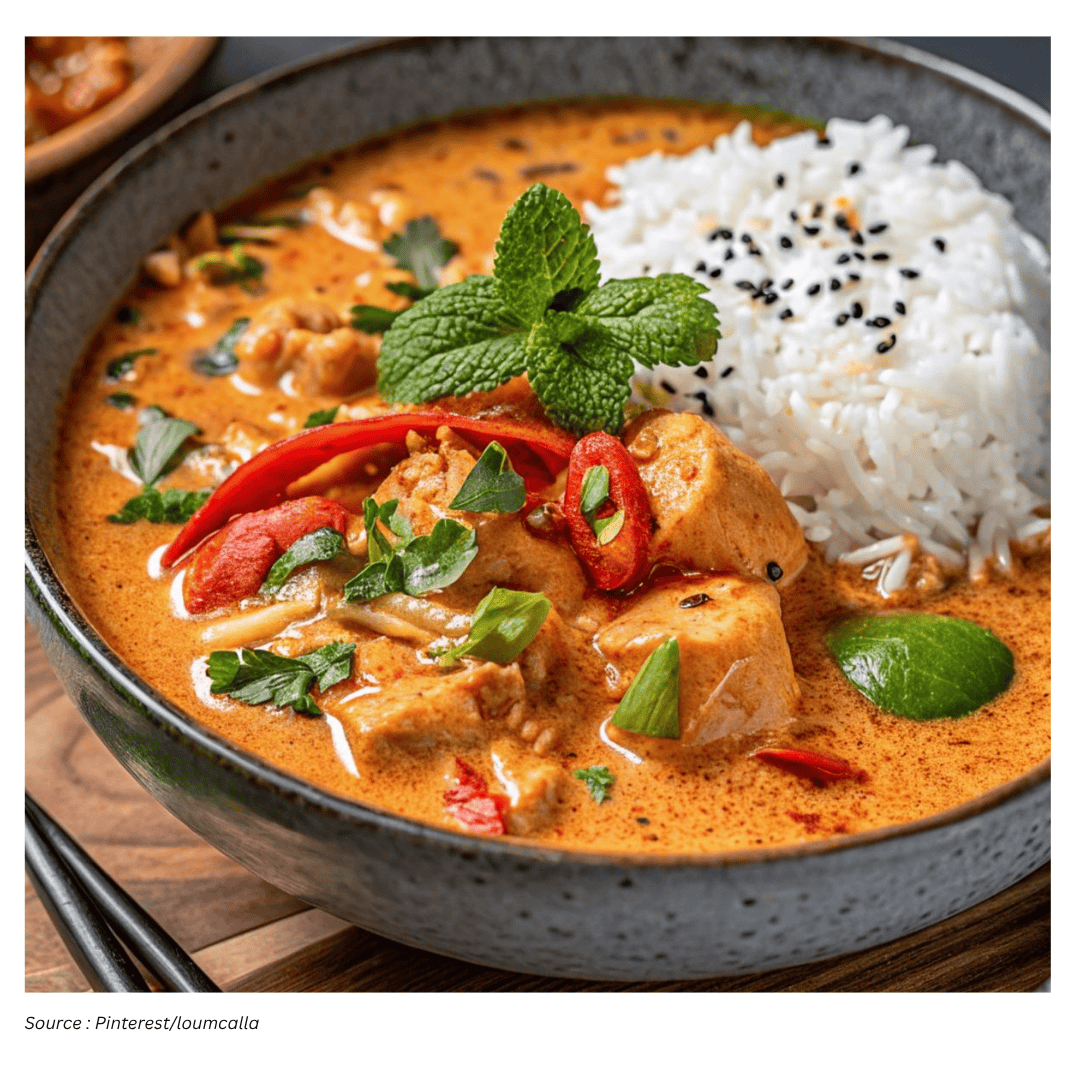
A one-pot curry that keeps weeknights simple
If you cook at home regularly, you already know the appeal of a true one-pot meal: fewer dishes, faster cleanup, and a calmer path from prep to dinner. The best versions don’t feel like compromises, either. This one-pot vegetable red curry is designed to keep effort low while still delivering a satisfying mix of flavor and texture—creamy coconut milk, tender vegetables, and the savory depth that comes from a good curry paste.
The dish leans cozy and rich, but it doesn’t feel heavy. Red curry paste brings a slight kick, while bell peppers, carrots, mushrooms, and wilted kale make it hearty and colorful. A touch of sweetness and a squeeze of lime help round everything out, creating a balance of umami, gentle heat, and brightness. The entire meal can be on the table in under 30 minutes, making it a strong option for busy weeknights or a reliable “Meatless Monday” rotation.
Recipe developer and wellness coach Miriam Hahn describes it as “hearty and satisfying” and notes that it works well whether you’re experienced in the kitchen or just getting comfortable cooking at home. It also stores well in the fridge, which makes it a practical choice if you like to cook once and eat for several meals.
What you’ll need: vegetables, aromatics, and pantry staples
The ingredient list is built around accessible produce and a few key pantry items. For the fresh components, you’ll want onion, garlic, and ginger as the aromatic base, plus a mix of vegetables that hold up well in a simmering curry. The core vegetables here are red and yellow bell peppers, carrots, mushrooms, and lacinato kale. Lime and cilantro finish the dish with acidity and freshness.
On the pantry side, the essentials are red curry paste, coconut milk, soy sauce, and coconut sugar. Oil is used to start the sauté, and you may want rice on hand if you plan to serve the curry over steamed rice.
One small but meaningful shopping tip: check the label on your red curry paste. If you can find one that includes galangal and lemongrass, it will bring a more classic Thai flavor profile to the dish.
- Produce: onion, garlic, ginger, red bell pepper, yellow bell pepper, carrots, mushrooms, lacinato kale, lime, cilantro
- Pantry: red curry paste, coconut milk, soy sauce, coconut sugar, oil
- Optional for serving: steamed rice
How the one-pot method works (and why it’s effective)
This curry follows a straightforward sequence that builds flavor in layers—first softening aromatics, then cooking vegetables until tender, then blooming the curry paste briefly before adding liquids and greens. That order matters. Sautéing the onion first creates a sweet, savory base. Adding garlic and ginger next gives the curry its fragrant backbone. Cooking the vegetables before the sauce ensures they soften properly while still holding their shape, and stirring the curry paste into the hot pan for a couple of minutes helps deepen its flavor before it’s diluted by coconut milk.
Once the coconut milk and seasonings go in, the curry simmers gently to bring everything together. Kale wilts quickly, so it can be added with the liquids and still finish tender without overcooking.
Step-by-step: one-pot vegetable red curry
You’ll need a large, deep frying pan (or a similarly roomy pan) so the vegetables have space to cook evenly and the sauce can simmer without crowding.
- Add oil to a large, deep frying pan and set the heat to medium.
- Add the onion and sauté for about 5 minutes, stirring frequently.
- Add the garlic and ginger and cook for 1 minute.
- Add bell peppers, carrots, and mushrooms. Cook for about 8 minutes, or until the carrots are tender.
- Stir in the red curry paste and cook, stirring, for 2 minutes.
- Add kale, coconut milk, soy sauce, and coconut sugar. Cook on medium-low heat for 10 minutes.
- Garnish with cilantro and finish with lime. Serve as-is or over steamed rice.
Flavor profile: creamy, savory, gently spicy, and bright
This curry is built on contrasts that make each bite feel complete. Coconut milk creates a creamy base, while soy sauce contributes salt and umami. Coconut sugar adds a subtle sweetness that helps smooth out the edges of the curry paste’s heat. The vegetables bring a variety of textures: peppers soften and turn silky, carrots become tender, mushrooms add a deeper savoriness, and kale turns pleasantly wilted. Lime juice at the end lifts the whole dish, adding brightness that keeps the curry from tasting flat or overly rich.
Smart substitutions to fit what you have
Like many curries, this one is flexible. If you’re trying to use up what’s in your fridge or adjust the dish to your preferences, there are plenty of swaps that still keep the overall structure intact.
Vegetable swaps: Carrots can be replaced with sweet potato or butternut squash. If you choose either, cut them into 1/2-inch cubes and keep an eye on cooking time, since they may need a bit longer to become tender. Zucchini or snap peas can replace some or all of the bell peppers, or be added alongside them. Broccoli or cauliflower florets can stand in for mushrooms. If kale isn’t your favorite, other hearty greens work well, including Swiss chard, collard greens, or spinach.
- Swap carrots for sweet potato or butternut squash (1/2-inch cubes; may need longer cooking).
- Add or substitute zucchini or snap peas for bell peppers.
- Use broccoli or cauliflower florets instead of mushrooms.
- Replace kale with Swiss chard, collard greens, or spinach.
Choosing a curry base: red, yellow, green, or even powder
Thai curry pastes come in several colors, and each brings a different personality to the pot. Red curry paste is often considered the middle ground: it’s spicy, but typically not overwhelming. If you want a milder and slightly sweeter curry, yellow curry paste is a good alternative; its color comes from turmeric and curry powder. If you prefer more heat and a brighter, more intense flavor, green curry paste can deliver that—just add a little at first and adjust to taste.
If you don’t have curry paste, you can use 1 tablespoon of curry powder instead, and add a little more garlic to help make up for some of the flavor intensity you’d lose by skipping the paste.
- Red curry paste: a balanced option—spicy, but not overly so.
- Yellow curry paste: milder and sweeter; colored by turmeric and curry powder.
- Green curry paste: spicier and more vibrant; add gradually and adjust.
- Curry powder option: use 1 tablespoon curry powder and add extra garlic.
Adjusting creaminess and sweetness without losing balance
Coconut milk gives the curry its signature creamy texture, but it’s not the only option if you’re working around preferences or pantry limitations. Other plant-based milks can work, including unsweetened soy milk or flax milk. Another approach is to make a quick cashew cream by blending 1/2 cup soaked raw cashews with 1/2 cup water.
For sweetness, coconut sugar is the default here, but you can substitute a splash of maple syrup, agave, or date syrup. Brown sugar can also provide a similar effect.
- Creamy base alternatives: unsweetened soy milk, flax milk, or cashew cream (1/2 cup soaked cashews + 1/2 cup water, blended).
- Sweetness alternatives: maple syrup, agave, date syrup, or brown sugar.
How to make it heartier: easy protein add-ins
If you want the curry to feel more filling while keeping it plant-based, you have several simple options. Chickpeas are an easy add-in: rinse and drain them, then add them with the coconut milk. Shelled edamame also works well; if you’re using frozen edamame, there’s no need to thaw it first—add it at the same time as the coconut milk and it will thaw in the pot.
Tofu is another classic pairing with curry. If you go this route, use super-firm tofu, cube it, and add it after the vegetables are tender but before you stir in the curry paste. Lentils are also mentioned as a delicious way to increase protein in a curry.
- Add chickpeas (rinsed and drained) with the coconut milk.
- Add frozen shelled edamame with the coconut milk (no thawing needed).
- Add cubed super-firm tofu after vegetables are tender and before curry paste.
- Use lentils as another protein-boosting option.
Serving ideas: rice, quinoa, and optional animal proteins
This curry is satisfying on its own, but it’s also well-suited to serving over a grain. Steamed rice is the classic option and works especially well for soaking up the sauce. If you’d like more protein in the overall meal, serving the curry over quinoa is another approach.
If you’re not keeping the dish plant-based, animal proteins can be incorporated as well. For chicken, add thinly sliced chicken breast after sautéing the onion and sear until cooked, about 10 minutes. For red meat, slice flank steak very thin and add it to the pan after cooking the garlic and ginger.
- Serve over steamed rice (optional).
- Serve over quinoa for a higher-protein base.
- Add chicken: thinly sliced chicken breast after onion; sear until cooked (about 10 minutes).
- Add beef: very thinly sliced flank steak after garlic and ginger.
Why this curry works for meal prep
Beyond the quick cooking time and minimal cleanup, this curry is built for leftovers. Hahn notes that it lasts well all week in the fridge, making it useful for easy lunches or repeat dinners. The flavors—curry paste, coconut milk, soy sauce, and lime—hold up well, and the vegetable mix stays satisfying even after reheating.
If you’re looking for a dependable, flexible one-pot dinner with a creamy sauce and a bright finish, this vegetable red curry offers a reliable template: follow the core steps, then adjust the vegetables, curry base, and add-ins to match what you have and how you like to eat.