
Smoked Short Ribs: A Simple Low-and-Slow Method for Deep, Beefy Flavor
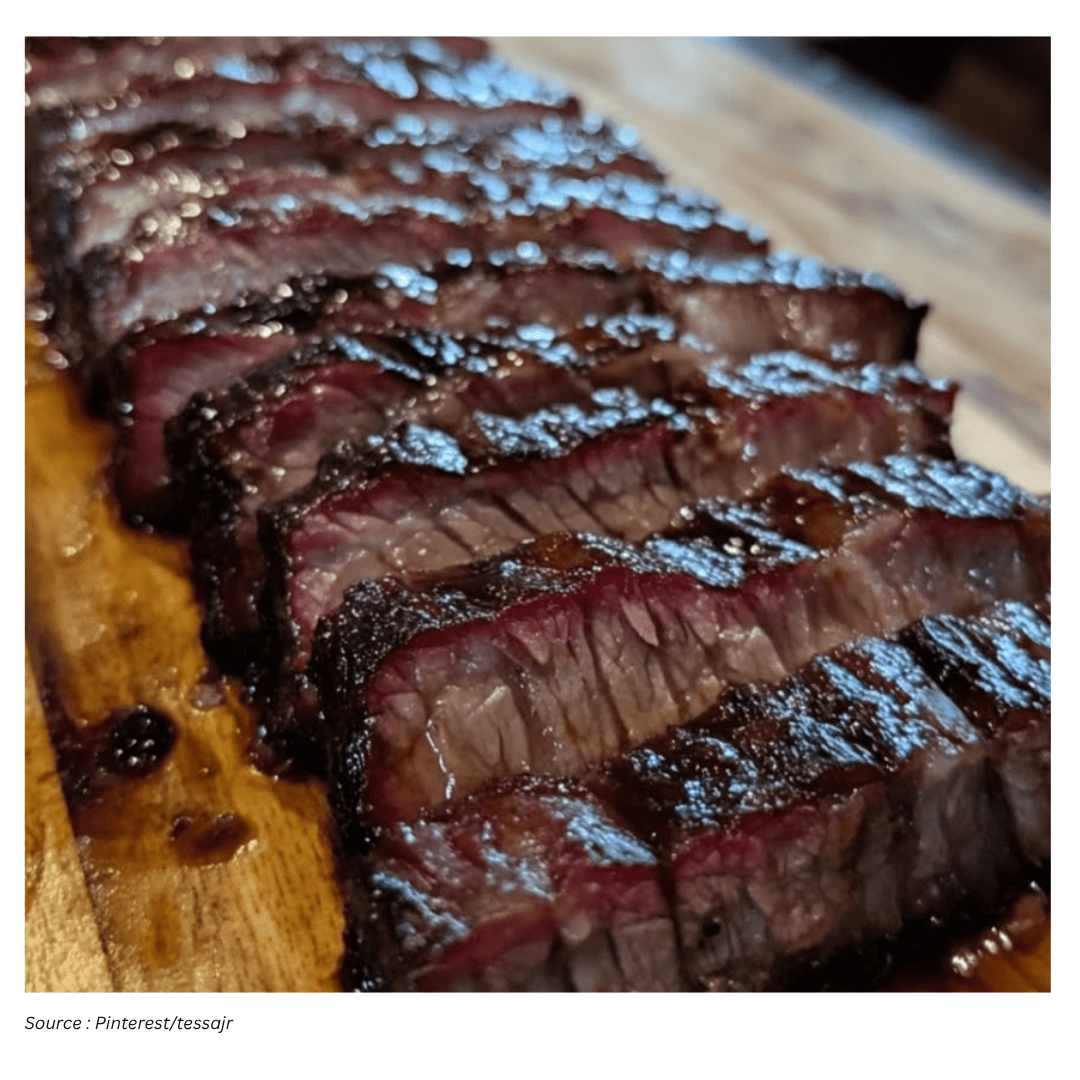
Smoked short ribs are the kind of dish that feels like a special-occasion centerpiece but doesn’t require complicated technique. The approach is straightforward: season the beef with a simple rub, set the smoker to a low temperature, and let time do the heavy lifting. The result is a rich, smoky flavor and a tender, juicy bite that’s often described as “fall-off-the-bone.”
Short ribs are prized for their beefy flavor and generous marbling. When cooked slowly, that marbling renders and helps create the melt-in-your-mouth texture that makes this cut such a comfort-food favorite. Many people first fall in love with short ribs through braises—slow-cooked with red wine and other ingredients until the meat becomes soft and spoon-tender. Smoking offers a different, equally appealing direction: deeper savory notes from hours of low-and-slow heat and a bark that forms on the outside as the rub and smoke work together.
This method is also practical. It’s a “set it up in the morning, eat in the evening” kind of cook—ideal for a holiday meal or any day you want a hands-off main course. You don’t need summer weather to use a smoker, and you don’t need a complicated ingredient list to get satisfying results.
Why short ribs work so well in the smoker
Short ribs have a reputation for tenderness when cooked properly, and that’s largely because they respond beautifully to slow cooking. Their rich marbling and robust beef flavor stand up to smoke, and the long cook gives connective tissue time to break down. When everything comes together, the texture turns soft and yielding, while the surface develops a deeper, more concentrated flavor.
If you’ve typically cooked short ribs by braising, smoking can feel like a revelation. Instead of building flavor primarily through a cooking liquid, you’re building it through seasoning, smoke, and time. A simple rub and a steady temperature are enough to transform the cut.
Ingredients and equipment: keep it simple
The full ingredient list is typically provided in a recipe card, but the core idea is uncomplicated: a basic spice rub, a small amount of olive oil to help it adhere, and apple cider vinegar for spritzing during the later stages of the cook. From an equipment standpoint, a smoker (including a pellet grill) and a reliable thermometer are the key tools for consistent results.
Because this is a low-and-slow cook, planning matters more than complexity. Short ribs can take several hours, and thickness influences timing. The good news is that the process is forgiving when you focus on internal temperature and texture rather than the clock alone.
Step-by-step method (overview)
Below is the basic flow of the cook, using a 225°F smoker temperature and a rub-forward approach. This is designed to be easy to follow and low on active labor.
- Step 1: Make the rub. Mix the rub ingredients together in a bowl until evenly combined.
- Step 2: Trim and season. Trim the fat cap and remove any silver skin on the top of the short ribs. Lightly coat the surface with olive oil, then apply the rub over the outside of the ribs.
- Step 3: Smoke at 225°F. Place the ribs in the smoker and cook for 3 hours without opening the lid.
- Step 4: Spritz and finish. After the first 3 hours, begin spritzing with apple cider vinegar every hour. Continue cooking until the ribs reach an internal temperature of about 205°F.
This structure—an initial uninterrupted smoke followed by periodic spritzing—helps develop flavor and bark early, then supports moisture management as the cook progresses.
Trimming: fat cap and silver skin
Two quick prep tasks can make a noticeable difference: trimming excess fat and removing silver skin. The fat cap can prevent seasoning and smoke from reaching the meat evenly, and silver skin is especially important to address. Silver skin becomes chewy and tough when cooked, so removing it improves the final texture.
Many short ribs are pre-trimmed today, which can simplify prep. If yours still have silver skin, use a sharp knife and carefully slip it between the silver skin and the meat, then slice to separate and remove it. Taking a few minutes here pays off later when the ribs are tender all the way through.
Choosing wood: bold smoke or a milder sweetness
Wood choice helps shape the character of smoked short ribs. If you want a bold, classic smoke profile, hickory, oak, or mesquite are popular options. If you prefer something milder with a slightly sweet edge, fruitwoods like apple or cherry are a common choice.
The best selection depends on your taste and what you plan to serve alongside the ribs. Either direction can work well with the beefy richness of short ribs, and the low-and-slow cook gives the smoke time to integrate.
What to expect during the cook
Smoked short ribs are often described as “easy,” but it helps to know what “easy” looks like in practice. The first phase of the cook is intentionally hands-off: the ribs go into a 225°F smoker and stay there for three hours without the lid being opened. This encourages stable heat, steady smoke exposure, and bark development.
After that, spritzing begins. Using apple cider vinegar every hour adds a simple layer of moisture management and can help keep the surface from drying out as the ribs push toward doneness. The spritzing stage also gives you a natural rhythm for checking progress without hovering over the smoker.
Temperature targets and timing guidelines
While time estimates are useful for planning, internal temperature is the most reliable way to judge doneness. As a general guideline, smoked short ribs typically take about 5–6 hours at 225°F, though thickness can shift the timeline.
The key target is tenderness, and that corresponds to a finishing internal temperature in the range of about 205°F to 210°F. In that zone, the ribs are more likely to reach the soft, yielding texture people want from this cut.
- Typical cook time: roughly 5–6 hours at 225°F (varies with thickness).
- Doneness temperature: about 205°F to 210°F for tender results.
If you don’t have a thermometer, there’s still a practical doneness cue: the ribs should slice “like butter.” That said, a thermometer removes guesswork and is especially helpful if you’re cooking for guests or timing the meal around other dishes.
To wrap or not to wrap: understanding the Texas Crutch
Wrapping short ribs partway through the cook—often called the Texas Crutch—can be used to retain moisture and speed up cooking. The idea is to wrap the ribs in foil or butcher paper after about 3–4 hours. This step is optional.
Whether you wrap depends on what you value most in the final texture. Wrapping can help keep the cook moving and can reduce moisture loss, but leaving the ribs unwrapped can encourage a thicker bark. If bark is a priority, you may choose to skip wrapping and simply continue with the spritzing approach.
Serving ideas and side pairings
One of the strengths of smoked beef short ribs is how flexible they are at the table. Their deep, savory flavor pairs well with a wide range of sides, making them suitable for everything from a holiday spread to a relaxed weekend dinner.
A standout pairing is goat cheese polenta, which complements the beef’s richness with a creamy, tangy contrast. Beyond that, the ribs can be served with many different sides depending on the style of meal you’re building.
Because the ribs are hearty and flavorful, they work well as the main event—especially when you want a dish that feels substantial without requiring constant attention in the kitchen.
Planning a holiday or weekend cook
Beef dishes often feature prominently in holiday cooking, with favorites ranging from Italian braciole to beef ragù to ground meat lasagna to steak pizzaiola. Smoked short ribs fit naturally into that lineup. They offer the same sense of comfort and celebration, but with a different flavor profile driven by smoke and a simple rub.
The schedule is one of the biggest advantages. You can season the ribs, get them on the smoker, and let the low temperature do the work while you focus on other dishes—or simply enjoy the day. When dinner time approaches, you’re not scrambling to finish a complicated recipe; you’re just waiting for the ribs to reach the right internal temperature and tenderness.
Troubleshooting and practical tips
- Don’t skip silver skin removal if it’s present. Silver skin can turn chewy and tough, which works against the tender texture you’re aiming for.
- Keep the lid closed early on. The first three hours are designed to be uninterrupted to maintain steady heat and smoke.
- Use spritzing as a simple routine. After the initial smoke, spritzing with apple cider vinegar every hour gives structure to the long cook and supports moisture management.
- Cook to temperature, not just time. Thickness varies, so aim for about 205°F to 210°F and confirm tenderness.
- Wrapping is optional. If you want to retain moisture and potentially speed up cooking, wrap after 3–4 hours. If you prefer a thicker bark, leave unwrapped.
What makes this approach so approachable
Smoked short ribs can sound like a project, but the technique is built around simplicity: a rub, a steady 225°F smoker, and patience. The steps are clear, the ingredient list is minimal, and the process is mostly hands-off. It’s an appealing option for anyone who loves how tender short ribs become with slow cooking and wants a new way to highlight their beefy flavor.
Whether you’re cooking for a holiday gathering or just want a satisfying weekend dinner, this method delivers a dish that feels substantial and comforting—rich with smoke, deeply savory, and tender enough to slice with ease when it’s done.