
Smoked Hot Dogs: A Simple Way to Add Big Flavor with Your Smoker
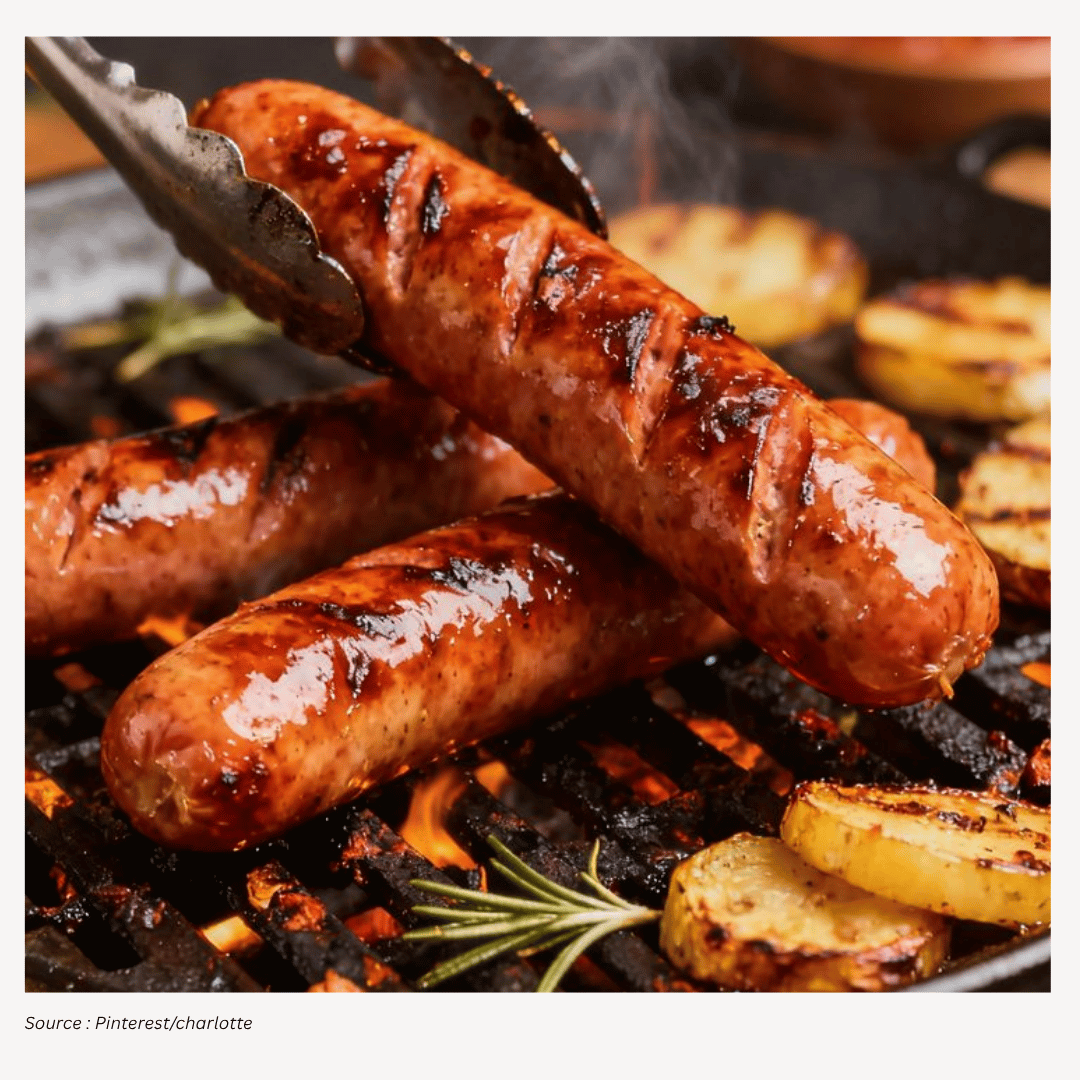
Why smoke hot dogs?
Hot dogs are already a quick, reliable meal, but they also happen to be a great candidate for the smoker. The idea is simple: you still get the familiar char you might associate with grilling, but smoking adds an extra layer of flavor that’s hard to replicate with other methods. For anyone who enjoys smoked foods—whether that’s pulled chicken, pork butt, lobster tails, carnitas, or crispy chicken wings—hot dogs fit right into the same “easy win” category.
Some people hesitate at the thought of smoking hot dogs, assuming they’re best left to a grill or skillet. But smoking is less about changing what a hot dog is and more about enhancing it. The process is straightforward, doesn’t require a long cook, and can be done in a way that keeps the hot dogs juicy while building a deeper, wood-fired character on the outside.
This approach is also practical. Smoked hot dogs are unique, quick to prepare, and easy to scale up for a crowd—especially if you already have a smoker running. Instead of saving the smoker only for long cooks, this is a way to get real value out of it on a weeknight or for a casual get-together.
The basic method: score, season, smoke
The core technique relies on two small steps that make a noticeable difference: scoring the hot dogs and seasoning them before they go into the smoker.
- Score the hot dogs: Cut crosshatches into the skin. This increases surface area, helps the seasoning cling, and encourages more browning and texture as they cook.
- Season: Mix your seasoning spices in a bowl, then toss the hot dogs until they’re coated.
- Smoke: Smoke at 250°F for about an hour or until done.
While the method is simple, it produces a result that feels more “built” than a plain hot dog. Scoring gives you those little edges and grooves where seasoning and smoke can settle in, and the smoker does the rest.
It’s worth emphasizing that the full ingredient list and step-by-step instructions are typically presented in a dedicated recipe card format. The key points above are the essential workflow: crosshatch, season, smoke.
Choosing wood for a short smoke
Because hot dogs don’t stay in the smoker for hours, wood choice matters. With a short cook—often around 45 minutes to an hour—you generally want a stronger wood that can deliver noticeable smoke flavor in less time. Options that fit that goal include:
- Hickory
- Mesquite
- Oak
These woods are commonly used when you want a more assertive smoke presence. Since the hot dogs won’t be exposed for a long period, a mild wood can sometimes get lost in the background. Stronger woods help ensure the finished hot dogs actually taste smoked, not just warmed through.
How many hot dogs can you smoke?
The recipe format described here is built around 8 smoked hot dogs, but it’s naturally scalable. The practical limit is simply how many you can fit in your smoker with enough space for heat and smoke to circulate. That makes this a convenient option for feeding a group: you can prepare a larger batch without increasing complexity.
Scaling up also works well if you want leftovers for the next couple of days. Since the storage and reheating are straightforward (more on that below), it can be efficient to smoke more than you need for a single meal—especially if you’re already firing up the smoker.
Time vs. temperature: what “done” looks like
Smoking is often discussed in terms of time, but the more reliable approach is to cook to a target internal temperature. In this method, the goal is to cook the hot dogs until they reach an internal temperature of 155°F.
That’s why you’ll see guidance like “smoke at 250°F for an hour or until done.” The time is a helpful estimate, but temperature is the actual finish line. Depending on your smoker, the hot dogs, and how frequently you open the lid, the cook may be a little shorter or longer.
If you like extra char, there’s also an optional finishing step: increase the heat to 400°F and cook for another couple of minutes. This is a quick way to push the exterior toward a more pronounced bite and deeper browning without overcomplicating the process.
Toppings: classic choices and personal preferences
Hot dogs are famously personal. Ask a room full of people what belongs on a hot dog and you’ll likely get strong opinions. The good news is that smoked hot dogs work with the same topping lineup you already know—smoke simply adds another dimension underneath whatever you pile on.
Here are some topping options that pair well:
- Mustard
- Ketchup
- Onions
- Relish
- Sauerkraut
- Pickles
- Chili (a Southern-style homemade chili is a natural match)
- Cheese
Because the hot dogs themselves are seasoned and smoked, you can go in different directions. Keep it simple with mustard and onions to let the smoke come through, or go bigger with chili and cheese for a more filling, fork-and-napkin situation. Either way, the base hot dog is doing more work than usual, so even minimal toppings can feel satisfying.
Equipment and smoke flavor: why your setup matters
The type of equipment you use can have a big impact on flavor. Since this is a smoked recipe, the goal is to impart smoke into the hot dogs, and different setups can produce different results. The key takeaway is that you have multiple options for how to generate smoke and heat, and your choice will influence how pronounced the smoke flavor becomes.
Regardless of the specific smoker style, the principles stay the same: maintain a steady cooking temperature, use a wood that can deliver flavor in a short cook, and give the hot dogs enough time in the smoke to pick up that signature taste.
Serving ideas: sides that match a handheld meal
A hot dog is a handheld meal, and it naturally pairs well with sides that are also easy to eat without much fuss. If you’re serving smoked hot dogs at a casual gathering, that “hands-friendly” approach keeps things simple and keeps the focus on the main event.
At the same time, there are plenty of options depending on the occasion and how you like to eat. The main point is flexibility: smoked hot dogs can fit into an easy, snackable spread or a more complete plate.
Storing leftovers and reheating
If you make extra, smoked hot dogs store well for a few days. Place them in an airtight container in the refrigerator and keep for up to 3 days.
To reheat, use the oven:
- Set oven to 350°F
- Warm for 5–10 minutes, or until heated through
This reheating method is simple and helps warm the hot dogs evenly. It’s also a practical way to preserve some of the texture you built during smoking, especially if you scored the hot dogs and developed a bit of char.
A flexible smoker recipe you can repeat
Smoked hot dogs are one of those recipes that can become a repeat habit because they hit a rare combination: quick prep, minimal steps, and a noticeable payoff in flavor. The process doesn’t require complicated techniques—just scoring, seasoning, and controlled smoking—yet the result stands apart from a standard hot dog.
They also fit neatly into the broader world of smoking, where the possibilities range from long, slow classics to faster cooks that still benefit from real wood smoke. If you already enjoy using a smoker for other dishes, hot dogs are an easy addition. And if you’re newer to smoking, they’re a low-stakes way to practice temperature control and wood selection without committing to an all-day cook.
Whether you keep toppings traditional or build a fully loaded dog with chili and cheese, the foundation is the same: smoke brings a deeper flavor that complements the familiar comfort of a hot dog. Once you try the scored-and-seasoned approach, it’s easy to see why this method has a loyal following among backyard cooks.