
Ragu Bianco: A Creamy, Tomato-Free Take on Classic Bolognese
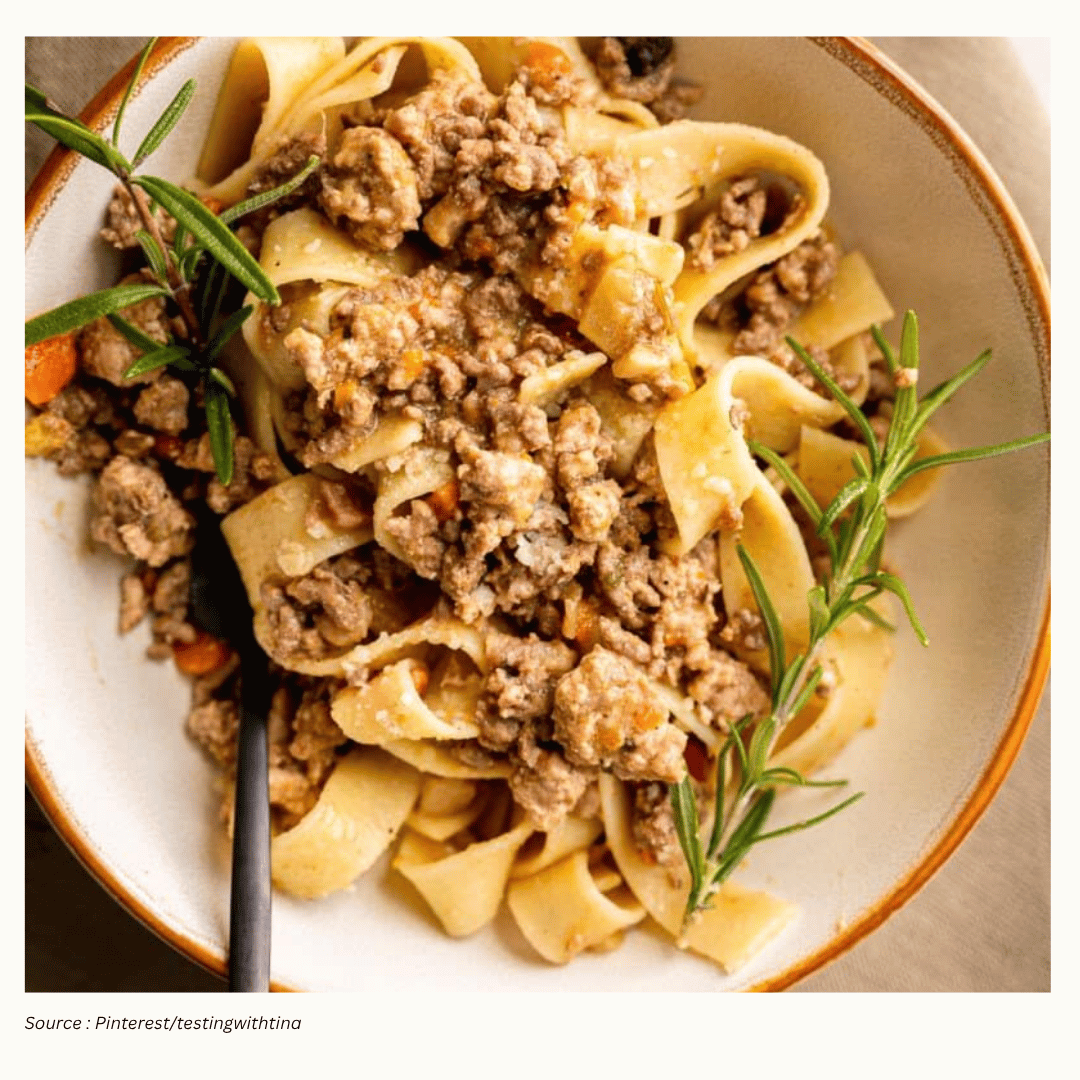
When comfort food is the goal, pasta tends to be the first answer. It can be simple and direct, or layered and slow-simmered—yet it nearly always feels like a warm, reliable meal. Among the many pasta styles people return to again and again, bolognese holds a special place. But there is another version that deserves equal attention: ragu bianco, sometimes described as white bolognese.
Ragu bianco keeps the soul of a traditional meat sauce while stepping away from tomatoes entirely. The result is a sauce that is creamy and rich, with a flavor that can read as slightly “woody” and deeply comforting—especially on cold nights when you want something hearty but not bright or acidic.
What is ragu bianco?
Ragu bianco is also known as white bolognese. It is a traditional Italian-style meat sauce made without tomatoes. Instead of relying on tomato for body and color, it builds depth through a combination of cooked aromatics, browned meat, herbs, and wine, finishing with a creamy, rich texture that clings beautifully to pasta.
It is the kind of sauce that feels familiar if you love bolognese, but it delivers a different experience: softer, rounder, and more about savory richness than tangy sweetness.
Why this “white” version is worth making
Classic bolognese is famous for good reason, but ragu bianco offers something distinct. Without tomatoes, the flavors of the meat, pancetta, herbs, and wine come forward in a different way. The sauce can taste deeply savory and comforting, with a creamy character that makes it feel especially suited to cozy dinners.
Another advantage is flexibility. Even though the dish is described as “pretty perfect,” it can be adjusted to suit what you have on hand or how you like your pasta night to feel. The core method—crisp pancetta, cook down the mirepoix, brown the meat, deglaze with wine, then simmer—creates a strong foundation that supports variation.
The method in plain terms (how the sauce comes together)
The process is straightforward, but each stage plays a role in building flavor and texture. The key is to give each step enough time so the sauce develops depth rather than tasting rushed.
- Start with pancetta: Cook the pancetta for about 5 minutes, or until it turns crispy. This provides a savory base and adds richness to the sauce.
- Add the pureed mirepoix: After the pancetta, add the pureed mirepoix and cook it for about 10 minutes. The goal is to cook until the liquid has evaporated and the mixture begins to brown. This step concentrates flavor and prevents the sauce from tasting watery later.
- Brown the ground meat: Add the ground meat and cook until browned. Browning is important because it creates deeper, more complex flavor than simply cooking the meat through.
- Add herbs, then deglaze with wine: Once the meat is browned, add the herbs and deglaze with wine. Deglazing lifts the flavorful bits from the bottom of the pot and integrates them into the sauce.
- Simmer: Add the remaining ingredients to a Dutch oven and simmer for about 1 hour. This gives the sauce time to come together and develop its signature richness.
- Finish with pasta and pasta water: Taste and adjust seasoning, then add cooked pasta along with a bit of pasta water. Toss to combine so the sauce coats every piece evenly.
Even if you have made tomato-based bolognese many times, ragu bianco’s technique can feel refreshingly different. The emphasis on cooking down the mirepoix until it begins to brown, and on using wine for depth, helps create a sauce that feels complete without needing tomato at all.
Why wine matters here
Wine is described as a key ingredient in ragu bianco because it contributes depth of flavor. It is not a minor add-on; it is part of what gives the sauce its character. The guidance is simple: use a wine you would actually drink, and do not go cheap. The reasoning is practical—if the wine is good enough for a glass, it is good enough for the pot, and the flavor will show up in the finished sauce.
Deglazing with wine also serves a functional purpose. It helps release browned bits from the bottom of the Dutch oven after cooking pancetta, mirepoix, and meat. Those browned bits carry concentrated flavor, and wine helps pull them into the sauce so nothing is wasted.
Ingredient flexibility and variations
Ragu bianco is presented as a dish that can be “mixed up” depending on preference. The foundation stays the same—pancetta, mirepoix, ground meat, herbs, wine, and a slow simmer—but there is room to adjust based on what you enjoy or what you keep in your kitchen.
One variation called out directly is a vegetarian version. The approach is to swap the meat for plant-based alternatives such as crumbled tempeh or tofu. To keep the sauce aligned with the original’s creamy comfort, you can also consider vegetable broth and dairy-free options for creaminess. The goal is not to mimic meat perfectly, but to keep the overall experience: a rich, satisfying sauce that pairs well with pasta.
Because the details of the full ingredient list are not included here, the most useful way to think about variations is to focus on the method. If you preserve the key steps—crisping, cooking down, browning, deglazing, simmering—you can keep the spirit of ragu bianco even when you substitute components.
Choosing pasta and finishing the dish
Ragu bianco is designed to be tossed with pasta at the end, along with a splash of pasta water. That pasta water step is small but important: it helps the sauce loosen just enough to coat the pasta evenly, and it encourages the sauce to cling rather than pool at the bottom of the bowl.
The final stage is also where you should taste and adjust seasoning. After simmering for an hour, flavors can shift and concentrate, so a quick check before serving helps ensure the sauce tastes balanced and complete.
Equipment: why it matters
The equipment you use is described as important to how the white bolognese turns out. The method specifically references using a Dutch oven for the simmering stage. A Dutch oven is well-suited to this kind of sauce because it holds heat steadily and provides enough surface area for browning and reduction earlier in the process.
More broadly, ragu bianco benefits from cookware that supports two things:
- Even browning (for pancetta, mirepoix, and meat)
- Steady simmering over a full hour
If you have ever made a sauce that tasted flat, the issue is often not the ingredients but the lack of proper browning or reduction. Here, the instructions emphasize cooking until liquid evaporates and browning begins—steps that are easier with a heavy pot that holds heat well.
Make-ahead, storage, and freezer notes
One of the practical strengths of ragu bianco is that it keeps well, making it suitable for leftovers or meal planning.
- Refrigerator: Store in an airtight container for about 3 days.
- Freezer: Keep for up to 3 months.
These time frames make it possible to cook once and enjoy the sauce over multiple meals, or to freeze portions for later when you want something comforting without starting from scratch.
How to reheat ragu bianco (without drying it out)
Because the sauce is meant to be creamy and clingy, reheating gently is important. The preferred reheating method is on the stovetop:
- Skillet method (preferred): Place leftover pasta in a skillet with a splash of water. Cook on medium-low until heated through.
- Microwave method: Place in a microwave-safe bowl with a splash of water. Microwave for 1 minute, stir, then microwave for another minute or until heated through.
In both cases, the splash of water matters. It helps loosen the sauce and restore the texture so the pasta doesn’t feel dry or clumpy after refrigeration.
Serving ideas: what to pair with ragu bianco
Ragu bianco is described as “perfect on its own,” which makes sense: pasta and a rich meat sauce rarely need much help. Still, it can be served with a variety of sides. The most useful way to think about pairing is to choose sides that complement a creamy, savory sauce—something that adds contrast, freshness, or crunch without competing for attention.
Because the specific side list is not included in the provided material, the guiding principle is simply variety: serve something alongside that makes the meal feel complete while keeping the pasta as the centerpiece.
Where ragu bianco fits in a pasta-loving kitchen
If you enjoy exploring different pasta dishes—whether that means rich, indulgent plates or more classic preparations—ragu bianco is an easy addition to your rotation. It offers the slow-simmered comfort of bolognese while delivering a noticeably different profile thanks to its tomato-free approach and creamy finish.
It is also a recipe that rewards patience. Crisping pancetta, cooking down mirepoix until the moisture is gone, browning the meat properly, and letting the sauce simmer for an hour are all small commitments that add up to a sauce with depth and a cohesive texture.
A final note for home cooks
Ragu bianco is the kind of dish that tends to win people over quickly—especially those who already love bolognese but are curious about a different direction. It is rich, comforting, and flexible enough to adapt to different preferences, including a vegetarian approach using plant-based crumbles like tempeh or tofu.
If you have never tried white bolognese before, this is a strong place to start: a creamy, wine-deepened meat sauce that simmers into something that feels both classic and pleasantly unexpected.